D&D Art: 10 Details For Your Dream Portrait
Ready for amazing D&D character art? As an artist, I know what details make a portrait shine. This guide reveals the 10 essentials to give your artist, ensuring they perfectly capture your vision.
 Jan
9 min read
Jan
9 min read
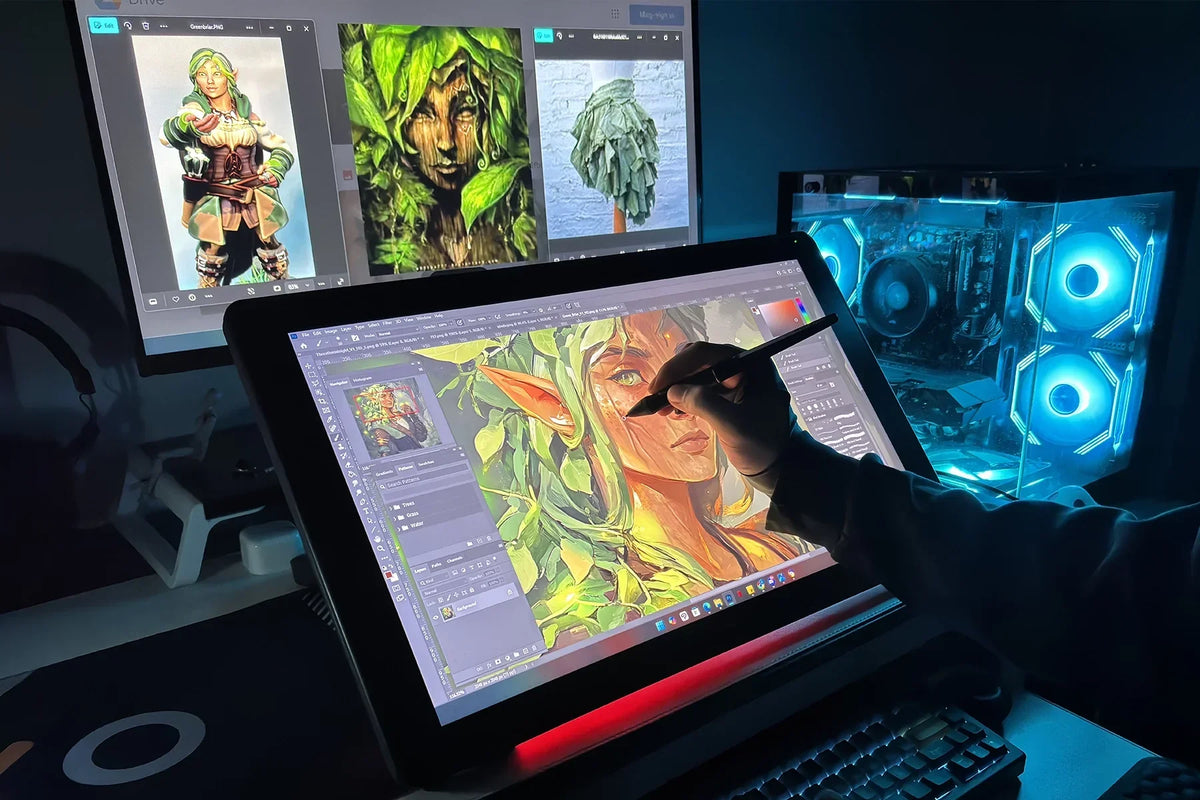
Hey there, fellow adventurers and storytellers! I'm Jan, a character artist, and there's nothing quite like that electrifying moment when you see your beloved Dungeons & Dragons character, your original creation (OC), or any fantasy hero brought to life in a stunning piece of art. It's like pulling them right out of your imagination and onto the canvas! But have you ever wondered what it takes to make sure that artwork *truly* captures the essence of your character? How do you ensure the artist sees them the way you do?
That's exactly what we're diving into today. If you've ever felt a bit lost trying to explain your vision for a custom fantasy artwork online or struggled with putting together a D&D character description for an artist, you're in the right place. This guide is your alchemist's kit, filled with the essential ingredients to help any artist perfectly conjure your character. Trust me, providing these details upfront makes the D&D character portrait commission process smoother and far more magical for everyone involved!
Quick Navigation: What We'll Cover
Why a Detailed Brief is Your Secret Weapon for Amazing Character Art
Think of a character brief as the map you give your artist to navigate the vast landscape of your imagination. The more detailed the map, the more accurately they can reach the destination: a portrait that feels undeniably *your character*. When you're looking for custom fantasy artwork online, clear communication is everything.

A comprehensive brief doesn't just help me (or any artist!) understand the visual specifics; it gives us insight into their personality, their history, and their very soul. This means we can make informed artistic choices that add depth and storytelling to the final piece. It also significantly reduces back-and-forth, saving time and ensuring you get art that you’ll treasure.
The Alchemist's Formula: 10 Essential Details for Your D&D Character Artist
Alright, let's get to the good stuff! Here are ten crucial categories of information that will form the backbone of your character art brief essentials. Consider this your recipe for success.

1. Core Identity: Beyond Just Race and Class
Sure, "Elf Ranger" is a start, but let's go deeper! This is the foundation.
- Character Name & Pronouns: Simple, but essential!
- Race/Species & Key Traits: If it’s a well-known race, highlight what makes your character typical or atypical. For custom races, describe those unique features clearly. Think about things like "a Tiefling with unusually small, dark horns" or "a Dragonborn whose scales have a pearlescent sheen."
- Class/Role & Age/Life Stage: A "grizzled veteran Warrior" looks very different from a "young, eager Mage apprentice." Age can tell so much of their story.
- Key Personality Traits (3-5): This is gold! Is your character Stoic, Cheerful, Brave, Inquisitive, or Cynical? These traits influence posture, expression, and overall vibe.
2. Physical Canvas: Nailing the Look
This is where we start painting the picture, literally. The more specific you are, the better!
- Overall Build, Physique & Height: Are they Slender, Muscular, Imposing, Lithe, Stocky? Approximate height helps with proportion.
- Skin & Complexion: Beyond color, think texture. Is their skin smooth, weathered, scaled, furry? Any patterns or subtle markings?
- Hair - Color, Style, & Texture: Don't just say "brown hair." Is it "chocolate brown, long and wavy, often tied back in a loose braid" or "fiery red, short and spiky"? Highlights, length, and texture (Straight, Wavy, Curly, Coiled) are key.
- Eyes & Typical Expression: Eye color (is it heterochromatic, glowing?), shape (Almond, Round, Narrow), and their typical resting expression (Thoughtful, Intense, Alert, Gentle) are windows to their soul.
3. Unique Flourishes: Those Defining Features
These are the details that make your character uniquely identifiable.

- Distinctive Facial Features: Think Strong jawline, High cheekbones, a specific nose shape, Freckles, a mole above the lip.
- Notable Markings (Scars, Tattoos, Birthmarks, Piercings): Describe each marking and, crucially, its specific placement. A scar over the left eye tells a different story than one on the chin.
- Unique Appendages (Horns, Tail, Wings, etc.): If your character has them, describe their type, size, color, texture, and placement. Are the horns ram-like or gazelle-like? Is the tail prehensile and scaled, or fluffy?
4. The Wardrobe: Attire & Gear That Tell a Story
Clothing isn't just about looking cool (though that's part of it!); it reflects their class, culture, personality, and experiences.
- Primary Outfit Style & Key Garments: Is it Practical Armor, Ornate Robes, Rugged Explorer Gear, Simple Traveler's Clothes? List the key items: tunics, trousers, cloaks, tabards, etc.
- Outfit Colors & Materials: "Deep blues and silver" or "Earthy tones of worn leather and homespun cloth"? Mentioning materials (Worn leather, Smooth silk, Gleaming metal, Rough linen) adds another layer of realism.
- Important Accessories: Jewelry, amulets, belts with specific buckles, headwear (hoods, hats, circlets), pouches – these small details add personality.
5. Tools of the Trade: Weapons & Equipment
What do they carry, and how does it define them? This is crucial for any D&D character portrait commission process.

- Weapon(s): Specify the type (longsword, shortbow, staff), its style (ornate, battered, ancient), any unique markings or enchantments (glowing runes, a family crest on the hilt), and how/where it's typically carried.
- Tools & Equipment: What else is essential to them? A battered Spellbook, a finely crafted Lute, an Alchemist's Kit with bubbling vials, specialized Thief's Tools?
6. Capturing the Vibe: Expression & Atmosphere
How do you want the final piece to *feel*? This is about the emotional impact.

- Specific Expression for this Artwork: Beyond their typical resting face, what look do you want them to have in this specific portrait? A confident smirk, fierce determination in battle, a serene smile, a look of intense concentration?
- Overall Mood & Atmosphere: Do you envision something Epic & Grand, Whimsical & Lighthearted, Dark & Brooding, Mysterious & Ethereal?
7. Setting the Scene: Background Preferences
The background can significantly enhance the story of your character art.
- Simple Color/Gradient: Clean and focuses entirely on the character. Specify colors if you have a preference.
- Abstract/Textured: Can add mood without a specific location. Describe the style or colors.
- Transparent: Character only, perfect for use in other designs or character sheets.
- Specific Environment: If you choose this, be descriptive! "A moonlit ancient forest with gnarled trees," "the crumbling ruins of a forgotten temple at dusk," or "a cozy, firelit corner of a busy tavern." Think about key elements, lighting, and time of day.
8. Visual Aids: The Power of References
Pinterest board example
A picture is worth a thousand words, especially when trying to describe my OC for art! References are an artist's best friend.

- Link to Pinterest Board(s) or Online Image Gallery: Gather images that inspire you. This can be for outfits, hairstyles, weapon styles, color palettes, or even overall mood. Ensure sharing permissions are set correctly!
- From Your References - Must-Have Elements: Point out specific details from your references that you absolutely want incorporated. "I love the embroidery on this cloak," or "This is the exact sword hilt I imagine."
- From Your References - Elements to AVOID: Sometimes you like a general idea but not a specific part. "I like the style of this armor, but no spikes, please."
- Do Not Include List: Anything you definitely *don't* want to see in the final artwork. This is just as important!
9. A Glimpse into Their Soul: Backstory & Inspiration (Optional but Powerful!)
While optional, a little bit of narrative context can provide incredible artistic fuel.
- Core Motivation or Defining Backstory Element: Just one or two sentences can be illuminating! "Haunted by a past failure, they seek redemption," or "Driven by an insatiable curiosity for ancient lore."
- Key Symbols or Motifs Important to Them: A specific animal, a recurring dream image, a family sigil?
- Music/Playlist Link (for vibe/mood, if any): Sometimes music can convey a feeling better than words!
10. The Final Polish: Artist Notes & Your Top Priorities

This is your chance to emphasize what matters most and clarify any final points.
- The MOST CRUCIAL elements (2-3): If the artist could only nail a few things perfectly, what would they be? Their piercing gaze? The unique design of their ancestral weapon? Their kind smile?
- Areas for Artist's Creative Interpretation: Where are you happy for the artist to use their creative judgment? This can be exciting! Maybe minor outfit details, the exact composition of a non-specific background, or subtle environmental effects.
- Other Specific Requests, Questions for the Artist, or Important Info: Anything else that hasn't been covered.
A Personal Tip from Jan: Don't Be Afraid to Share!
In a fictional brief, a character might fidget with a worn coin. Showing that coin in the hand gives the artist a specific detail to build into the pose.

So, don't hold back! Even details you think might be silly or unimportant can spark an idea or add that perfect touch of authenticity. We artists love diving into the lore of your characters!
FAQ: Your Character Art Questions Answered
Q1: What if I don't have all these details figured out for my fantasy character art?
A1: That's absolutely okay! Not everyone has every tiny detail planned, and that's part of the fun. Focus on what you *do* know and feel is most important. Even providing a few key points from this list is a fantastic start. A good artist can often help fill in the blanks or suggest ideas based on what you provide. The goal is to give a strong foundation.
Q2: How much detail is *too* much when I commission character art?
A2: Generally, when it comes to briefing an artist, more well-organized detail is better than too little. The key is clarity and organization. If you send a 20-page stream-of-consciousness document, that might be overwhelming. But if you provide a well-structured brief (like the points we've discussed), even if it's quite detailed, it's incredibly helpful. If anything feels overly restrictive or contradictory, your artist will usually discuss it with you. The aim is to convey your vision, not to stifle creativity entirely.
Ready to Bring Your Character to Life?
Phew! That was a lot, but hopefully, you now feel much more confident about how to describe your character for that dream art commission. A clear, detailed brief is truly the cornerstone of a successful collaboration between you and your artist.
To make this even easier for you, as an artist myself, I, Jan, have put together something special. I created the "Ultimate Character Blueprint" – a free downloadable guide that organizes all these essential points into an easy-to-fill-out template. It’s designed to streamline the process, ensuring you cover all the bases, whether you're working with me or another talented artist.
It's my gift to you, to help you articulate your vision and get one step closer to that unforgettable character portrait.