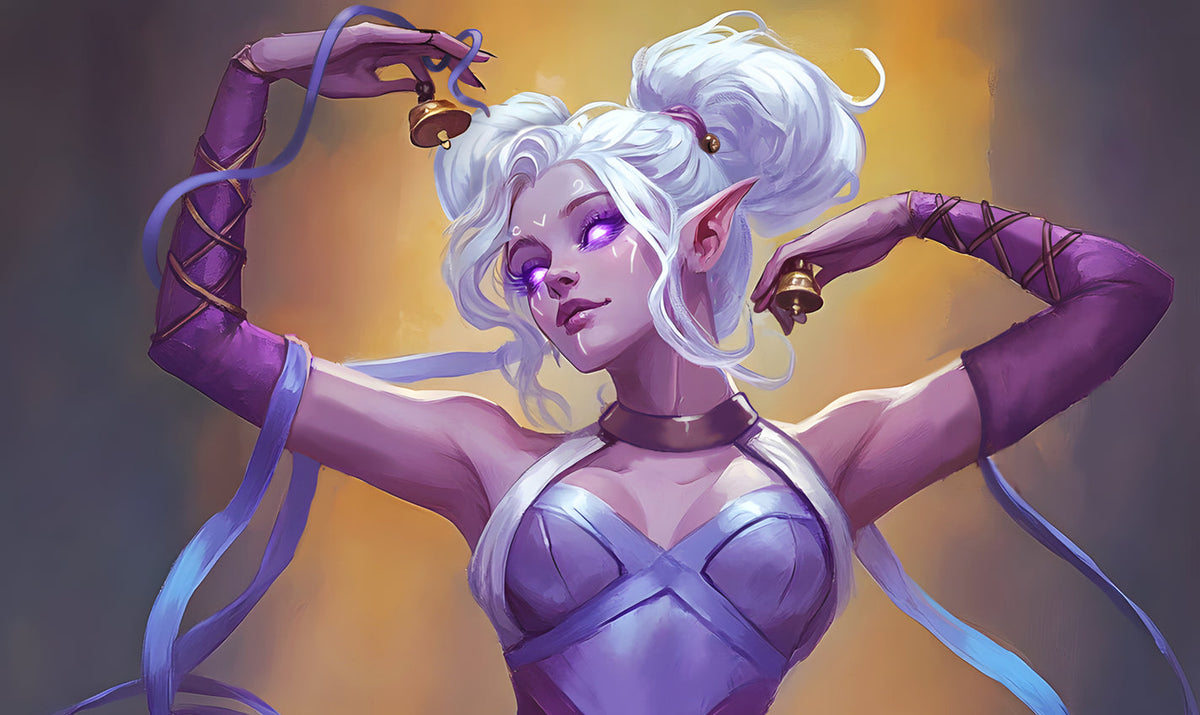
D&D Art Secrets: Avoid These 7 Commission Fails!
Dreaming of the perfect D&D character portrait? Don't let common pitfalls ruin your vision! Discover 7 key mistakes in art commissions and how to avoid them for a fantastic result.
 Jan
8 min read
Jan
8 min read
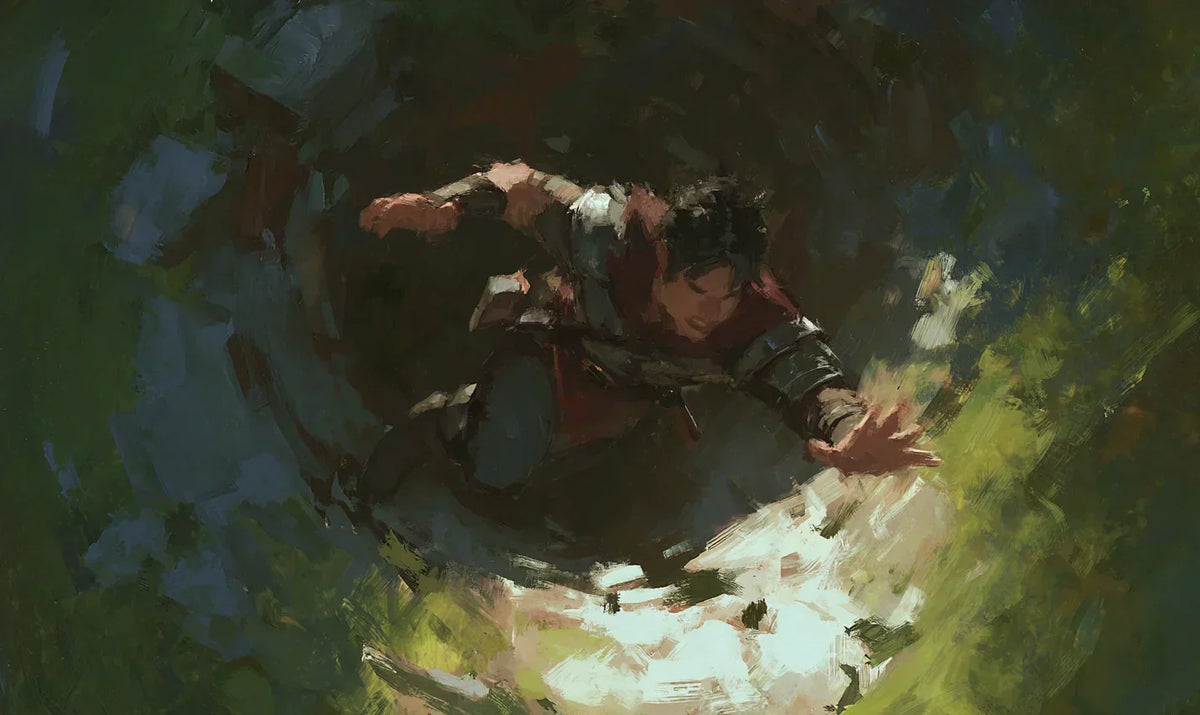
Hey fellow adventurers! Jan here. There's nothing quite like seeing your beloved Dungeons & Dragons character brought to life through custom art. Many new D&D fans stumble into common pitfalls when commissioning character art, leading to frustration and sometimes, a piece that doesn’t quite hit the mark.
That’s why I’m here today! As an artist who has worked on over 500 fantasy characters, I want to share some insights to help you navigate the commission process. This post will unveil the top mistakes people make when ordering custom D&D artwork and how you can sidestep them to ensure a smooth, enjoyable experience and a final piece you’ll cherish for years to come.
Table of Contents: Navigating Your Commission Quest
- Mistake #1: The Fog of Vagueness
- Mistake #2: The Empty Scroll
- Mistake #3: The Shifting Quest
- Mistake #4: The Silent Treatment
- Mistake #5: The Mismatched Minstrel
- Mistake #6: The Impossible Feat
- Mistake #7: The Fine Print Blind Spot
- Pro-Tips for a Flawless D&D Character Art Commission
- Quick Answers: Your D&D Art Commission FAQs
Mistake #1: The Fog of Vagueness – Not Enough Detail

This is probably the most common hurdle I see. You might have a crystal-clear image of your half-orc barbarian in your head, but if you just tell an artist, "I want a tough-looking half-orc," you're leaving a *lot* to interpretation. What kind of tough? Stoic? Feral? Battle-scarred? What specific features define *your* character?
How to Do It Right: Paint a Picture with Your Words

Example of a client conversation providing good detail.
The more detail you provide upfront, the better. Think about:
- Physical Appearance: Height, build, skin tone, hair style and color, eye color, distinguishing marks (scars, tattoos, birthmarks), specific facial features. Is their nose broken? Do they have pointed ears?
- Clothing & Armor: Be specific! "Leather armor" is okay, but "dark brown, studded leather armor with wolf-fur trim and a pauldron on the left shoulder" is fantastic. Mention materials, colors, and any unique designs.
- Weapons & Gear: What kind of sword? Is it ornate, plain, glowing? Do they carry a specific shield, arcane focus, or a pouch of questionable alchemical concoctions?
- Pose & Expression: How do you envision them? A stoic standing pose? Mid-battle cry? A thoughtful, knowing smirk? This sets the mood of the piece.
My pro-tip: Write a short paragraph or even a few bullet points for each key aspect. Imagine you're describing your character to someone who has never seen them or played D&D before. This helps avoid the dreaded "artworkarchive.com" scenario where an artist has to guess and potentially miss your vision.

Mistake #2: The Empty Scroll – Lack of Visual References
Words are powerful, but a picture is worth a thousand gold pieces when it comes to art. Relying solely on text descriptions, no matter how detailed, can sometimes lead to misinterpretations. Artists are visual people!
How to Do It Right: Curate a Visual Mood Board

Example of a client's Pinterest board for their character.
Gather images that capture elements of what you're looking for. This doesn't mean finding an exact picture of your character (though if you have one from a game like Hero Forge, that's great!). Instead, look for:
- Similar aesthetics: Images that have the right *feel* or style.
- Specific items: A picture of a particular hairstyle, a type of sword hilt, or an armor design you like.
- Color palettes: Images that show the color combinations you're envisioning.
- Poses (even photos): Sometimes a real-life photo can demonstrate the body language you're after.
Tools like Pinterest are fantastic for this. Create a board for your character and share it with the artist. This gives a much clearer direction for your custom fantasy artwork online search and commission.
Mistake #3: The Shifting Quest – Unclear Budget & Scope Creep

It’s important to be upfront about your budget. Equally important is sticking to the initially agreed-upon scope of work. Asking for significant changes or additions midway through, especially complex ones like adding a detailed background or an animal companion that wasn't originally discussed, is known as "scope creep." This can lead to extra costs and delays.
How to Do It Right: Clear Financials and Sticking to the Plan
- Discuss Budget Early: Be honest about what you can afford. Many artists offer different tiers of work (e.g., sketch, flat colors, fully rendered).
- Define the Scope Clearly: What exactly is included in the price? Full body, portrait, background, number of characters? Get this in writing.
- Understand Revision Policies: Ask how many revisions are included and what constitutes a "major" vs. "minor" change.
- Expect to Pay for Extras: If you decide you want something significant added later, be prepared for it to adjust the price and timeline. Communicate these desires as early as possible.
A clear understanding from the start makes the D&D character portrait commission process much smoother for everyone.
Mistake #4: The Silent Treatment – Ghosting Your Artist
Once the commission starts, communication is key! Disappearing for weeks and then showing up right before the deadline with major revision requests can be a nightmare for the artist and may incur extra fees if significant rework is needed.
How to Do It Right: Stay Engaged and Provide Timely Feedback
- Respond Promptly: Check your emails or messages regularly. Artists usually need your approval at key stages (sketch, line art, colors).
- Be Constructive with Feedback: If something isn't quite right, explain what you'd like changed and why. Refer back to your initial description and references.
- Trust the Process (and your artist!): Minor tweaks are normal. If you've chosen your artist well, they're working to bring your vision to life.
I always appreciate it when clients are responsive. It makes me feel like we're a team working towards the same awesome goal!
Mistake #5: The Mismatched Minstrel – Ignoring Artist's Style

Example from Artist Reydoll_ found on Google, showcasing a specific art style.
Every artist has a unique style. If you love hyper-realistic, gritty art, commissioning an artist known for their bright, cartoonish style might lead to disappointment – for both of you! Don't expect an artist to drastically change their inherent style to match something completely different.
How to Do It Right: Research and Choose an Artist Whose Style You Love
- Browse Portfolios Thoroughly: Look at their past work. Do you genuinely like their aesthetic? Does their style fit the tone of your character and campaign? ([Link to portfolio] can be a great starting point to see different approaches!)
- Check for Specializations: Some artists excel at creature design, others at expressive portraits, some at dynamic action scenes. Pick someone whose strengths align with your needs.
- Be Realistic: While artists can be versatile, asking them to mimic another artist's exact style is generally not the best approach. You're commissioning *them* for *their* unique talent.
Mistake #6: The Impossible Feat – Unrealistic Expectations

Good art takes time. Expecting a highly detailed, fully rendered masterpiece in 24 hours for a minimal budget is usually unrealistic. The same goes for demanding unlimited revisions without impacting the timeline or cost.
How to Do It Right: Understand Timelines, Revisions, and the Creative Process
- Ask About Turnaround Time: Artists often have a queue. Understand that your piece will take time, and this can vary greatly depending on complexity and the artist's schedule.
- Clarify the Revision Process: How many rounds of revisions are included? What's the process for requesting changes? Some artists charge for excessive revisions.
- Respect the Craft: Commissioning art is investing in a skilled professional's time and talent. Complex details, intricate backgrounds, and multiple characters all add to the workload.
As an artist, I always try to provide a clear estimate upfront, but patience and understanding from the client go a long way in fostering a positive creative partnership.
Mistake #7: Skipping the Terms of Service
Many professional artists have a Terms of Service (ToS) or a commission agreement. This document outlines important details like payment terms, usage rights (can you use the art for commercial purposes, or just personal?), revision policies, processes, and cancellation policies. Ignoring this can lead to misunderstandings down the line.
How to Do It Right: Read and Understand the Agreement
- Request the ToS: If it's not readily available on their website, ask for it.
- Read It Carefully: Don't just skim. Pay attention to details about ownership, usage rights, and what happens if either party needs to cancel.
- Ask Questions: If anything is unclear, ask the artist for clarification *before* you agree to anything or send payment.
This protects both you and the artist, ensuring everyone is on the same page. It’s a vital step for anyone looking to commission custom fantasy artwork online.
Pro-Tips for a Flawless D&D Character Art Commission

Beyond avoiding mistakes, here are a few extra nuggets of wisdom I've picked up over the years to make your D&D character art commission experience truly shine:
- Be Passionate: Share why your character is cool! What are their defining traits, their backstory snippets, their quirks? Artists love working with clients who are excited about their characters. It's infectious!
- Organize Your Information: Present your description and references in a clear, organized way. A single document or email with everything neatly laid out is much easier for an artist to work with than scattered messages.
- Be Kind and Respectful: Remember there's a real person on the other side of the screen pouring their skill and creativity into your piece. A little kindness goes a long way!
- Consider the Artist's Perspective: If an artist suggests something might not work visually, hear them out. They have experience in composition, color theory, and what translates well into art.
- Don't Be Afraid to Ask Questions: If you're unsure about any part of the character design commission process, just ask! A good artist will be happy to guide you.
Quick Answers: Your D&D Art Commission FAQs
- Q: How much does D&D character art usually cost?
- A: Prices vary wildly based on the artist's skill, experience, style, the complexity of your request (e.g., portrait vs. full body, simple vs. detailed background), and usage rights. You can find options from $50-$100 for simpler sketches to many hundreds or even thousands for highly detailed, professional illustrations. Always discuss pricing upfront with the artist.
- Q: What if I don't like the final D&D art commission?
- A: This is why clear communication and providing feedback is crucial! Most issues can be addressed before the final piece. If you've followed the advice in this post, chosen your artist carefully, and communicated well, the chances of this are much lower. Check the artist's revision policy and terms regarding unsatisfactory work before you start.
- Q: How do I find good D&D character artists?
- A: There are many avenues! Social media platforms like X (formerly Twitter), Instagram, ArtStation, and DeviantArt are great places to search hashtags like #dndart, #characterart, #fantasyartist, or #commissionopen. You can also find artists on Reddit communities (e.g., r/characterdrawing, r/hungryartists), or dedicated commission platforms.