Your DnD Character Has Saved Kingdoms. They Still Don't Have a Face.
Give the character from your favorite campaign a face by starting with the one detail the table still remembers. A sketch, a token or a portrait can help you keep that version.
 Jan
2 min read
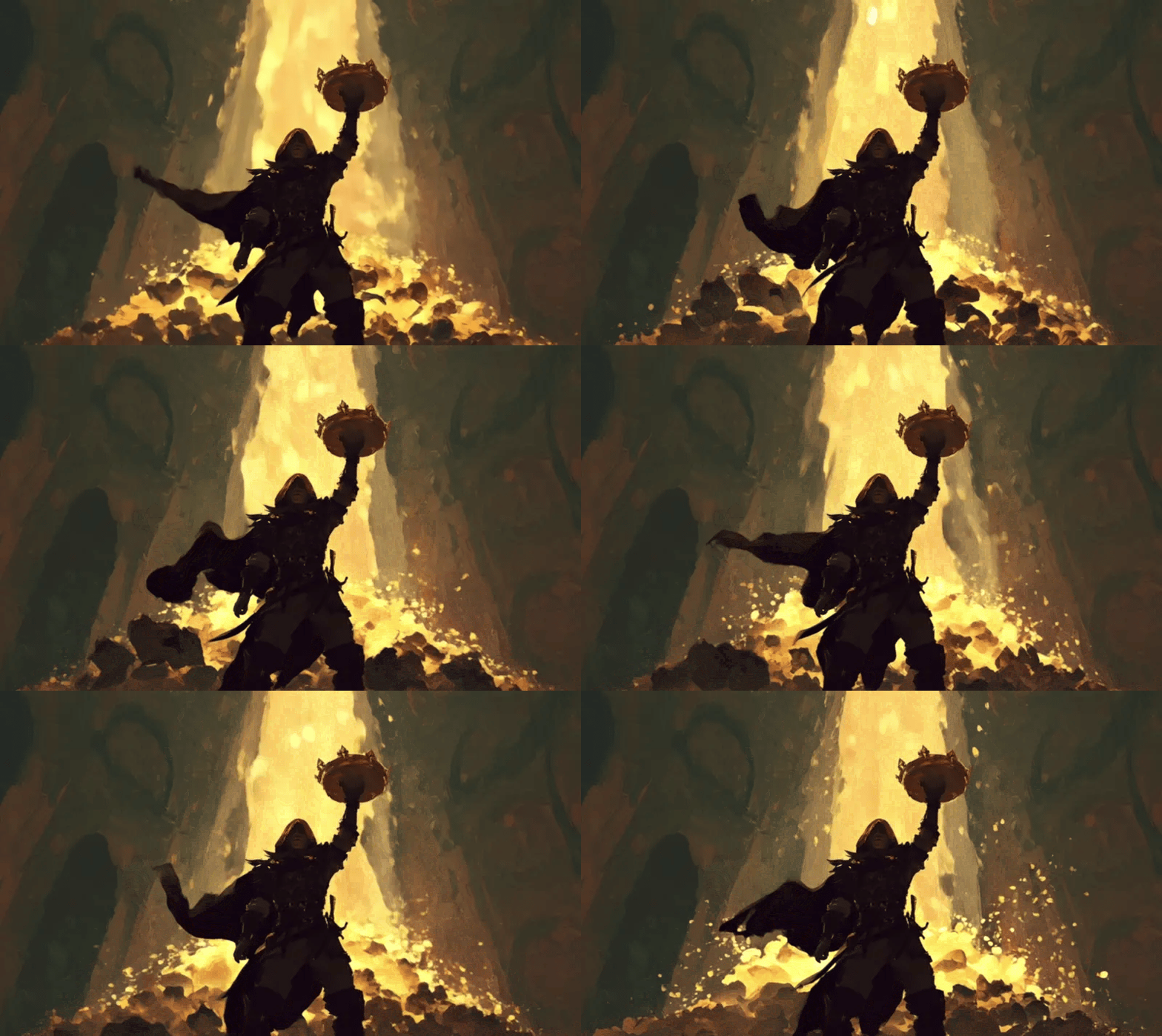
Your fighter has a dent in their shield the whole table can explain. That’s where I’d start if you want a picture of the person they’ve become. You already know the part that belongs to your game.
Find the part that belongs to them
If you picture a fighter staring down a dragon, ask what your table would notice about this fighter. A borrowed helmet is a start. The fact that it’s three sizes too small because it belonged to the gnome who saved them tells me a lot more. Put something like that in the brief.
Decide which version to keep
Pick one moment before you dig through every screenshot in your files. Maybe you want the clean coat they wore at session one. Maybe you want them leaning against the ale barrel with somebody else’s sword after it all went wrong. Tell your artist which one belongs in the picture and where their gear should go.

Give the face a job
For a token, I’d keep the face big enough to see when you zoom out on the map. If it’s for a wall, you can leave space for the shield, the boots, or the scene behind them. If you want to put your own face on the character, show the artist a clear photo and tell them what features should stay recognizable.
You can start with a sketch and a few words from the session. And if you’re ready for a painted portrait, see what to send for a portrait from a photo.