Choose a Moment for a Moving Character Portrait
For a moving character portrait, choose a moment the viewer can understand immediately. A quiet magical glow, a drifting background or a small environmental change can suggest a scene without turning the portrait into a full action sequence.
 Jan
2 min read
Jan
2 min read
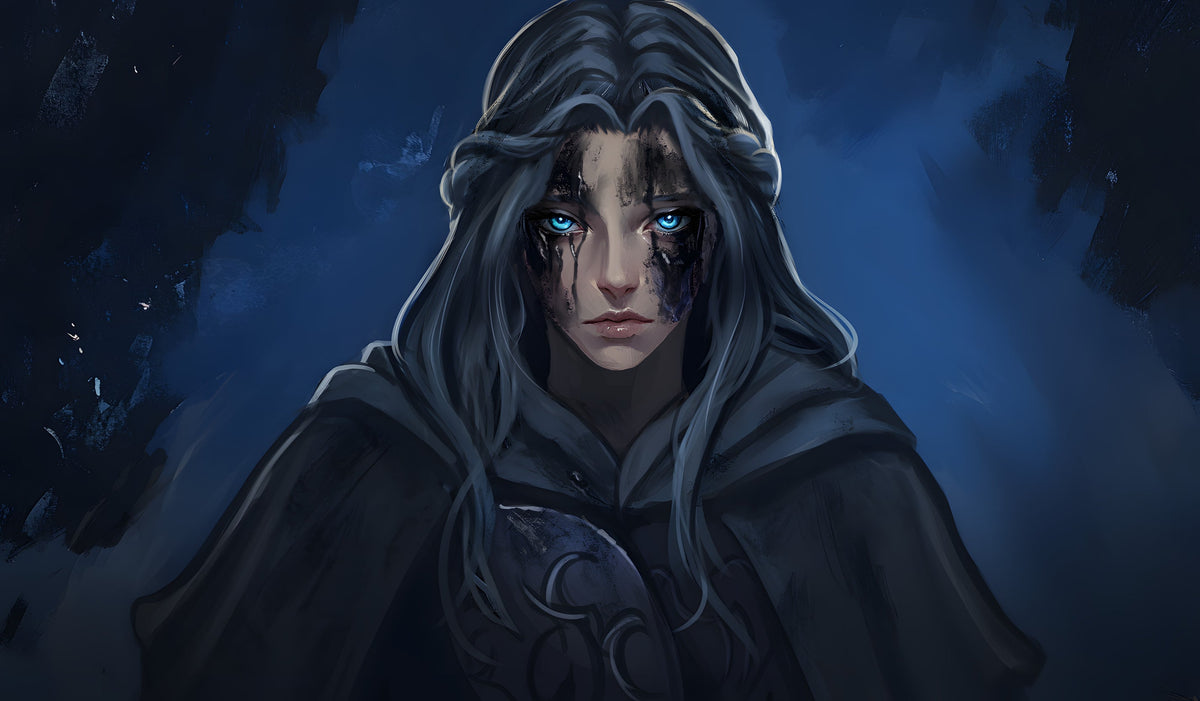
For a moving character portrait, choose a moment the viewer can understand immediately. A quiet magical glow, a drifting background or a small environmental change can suggest a scene without turning the portrait into a full action sequence.
Think of the motion as part of the composition. It should tell the viewer where to look and what kind of moment they have arrived in.
Choose the mood before the effect
Describe how the moment should feel in ordinary words: safe after a difficult journey, uneasy before a bargain or pleased to see an old friend.

Then discuss what could move to support that mood. An excited burst of sparks may fight with a calm expression. A still face with a restrained glow can leave the emotion easier to read.
A hypothetical motion direction
“The mage has finally reached home. Keep the face and pose calm. I would like a faint warm light around the staff, if that effect is available and suits the image.”
Keep important details stable
The character's face, symbols and lettering should remain recognizable. Tell the artist which elements must not change as the image moves.
If the portrait includes an important emblem or a prop with a specific shape, check it throughout the finished loop rather than in a single paused frame.
Let the still image carry the story too
Some readers will see a preview frame, a screenshot or a printed version. Choose a composition that makes sense in those forms.

A visible object and a clear expression can suggest the same moment without animation. Keep that static version for campaign notes and uses that do not support moving files.
Use a short explanation when you share it
Give the character's name and explain the moment in a sentence. The viewer does not need the entire campaign history to enjoy the image.
For a hypothetical homecoming portrait, the caption could say that the character is carrying the same staff they left with, now repaired. The motion can support the atmosphere while the caption explains the detail.
Check the deliverable before planning the reveal
Confirm current animation availability, the agreed effect, file formats and price. Test the file where you intend to show it, and keep the static version ready.
Use the commission preparation guide to describe the main portrait first, then add the motion request as a separate, clear part of the scope.