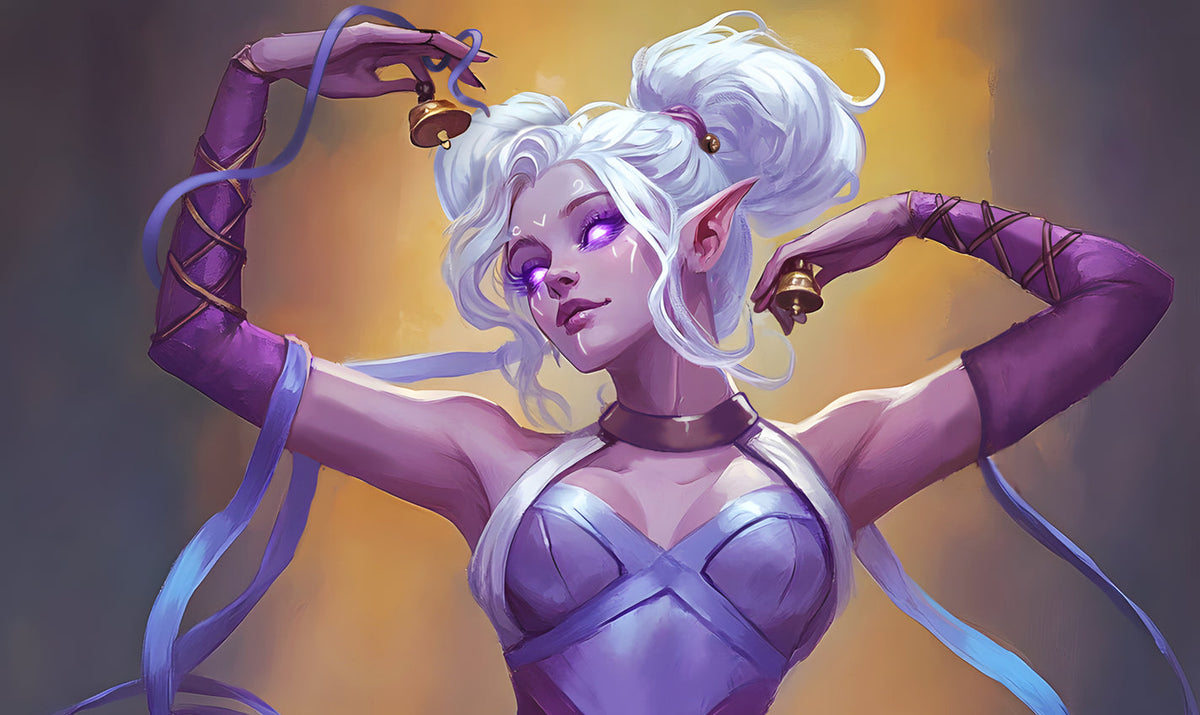
Why Your D&D Player Hasn't Commissioned Their Character (The Psychology Nobody Talks About)
Your D&D player has wanted character art for years. Here's why they haven't commissioned it themselves (and why your gift changes everything).
 Jan
5 min read
Jan
5 min read
They've been playing the same character for two years. They've described them in detail a hundred times. They follow fantasy artists on Instagram. They save character art to Pinterest boards.
So why haven't they commissioned their own portrait?
After talking to hundreds of D&D players about their character art hesitation, the answer isn't money. It isn't finding artists. It's something deeper that nobody discusses.
Understanding this is the key to why a character portrait from their photo as a gift hits completely different than if they bought it themselves.
The Uncomfortable Truth
Most D&D players have wanted character art for YEARS. The average player waits 3-7 years before commissioning. Many never do. Not because they can't. Because of psychological barriers they don't even recognize.
Barrier #1: The Imposter Complex
"My Character Isn't Important Enough"
This is the silent killer of character art dreams. Players think:
- "Professional art is for streamers and podcasters"
- "My home game doesn't matter enough"
- "We're just friends playing in a basement"
- "I'm not a 'real' D&D player"
They've internalized that character art is for "important" games. Critical Role gets fan art. Professional campaigns get commissioned portraits. But their Thursday night game? That doesn't "deserve" art.

Barrier #2: The Vulnerability Problem
"What If It's Cringe?"
Commissioning your own character portrait feels like admitting you take your "make-believe game" too seriously. Players fear:
- Being seen as too invested in "childish" things
- Friends thinking they're taking it too seriously
- Partners not understanding the expense
- Coworkers seeing it and judging
It's one thing to play D&D. It's another to hang a portrait of your imaginary character on your wall. That crosses from "hobby" to "identity" in a way that feels exposed.
Barrier #3: The Perfect Vision Paralysis
"What If It Doesn't Match My Imagination?"
Players have spent hundreds of hours with these characters. They have a specific vision that's impossibly detailed:
- The exact shade of their eyes
- How their smile looks when they're being sarcastic
- The specific way they hold their weapon
- Expressions that match their personality
The fear: paying money and getting something that doesn't match the impossible standard in their head. Better to keep it perfect in imagination than risk disappointment in reality.
Barrier #4: The Financial Guilt
Barrier #5: The Initiative Paradox
"I'll Do It Eventually"
The eternal procrastination. They genuinely intend to commission art "someday":
- "After this campaign arc ends"
- "When I hit level 10"
- "For the one-year anniversary"
- "When I find the perfect artist"
- "When I have extra money"
But "someday" never comes. There's always a reason to wait. Meanwhile, years pass. The character's story deepens. And still no portrait.
Why Gifts Break Through Every Barrier
The Permission Structure Changes Everything
When someone else commissions their character portrait, every barrier dissolves:
- Not pretentious - They didn't ask for it
- Not selfish - They didn't spend the money
- Not vulnerable - Someone else validated it's worth doing
- Not their fault if imperfect - They didn't choose the artist
- Can't procrastinate - It's happening without them
The gift says: "Your character deserves this" without them having to say it themselves.
The Reactions That Reveal the Truth

When D&D players receive character portraits as gifts, they often say:
- "I've wanted this for so long"
- "I could never justify buying this myself"
- "I didn't think anyone understood how much this meant"
- "I was going to commission one but never did"
- "This makes it real in a way I couldn't do myself"
These reactions reveal what was always true: they desperately wanted this but couldn't give themselves permission.
What Your Gift Actually Accomplishes
You're Not Just Giving Art
When you give a D&D player their character portrait, you're:
- Validating their creative investment - "This matters enough for art"
- Removing the guilt - They can enjoy it without financial worry
- Providing social cover - "Someone gave this to me" is different than "I bought this"
- Breaking the paralysis - No more "someday," it's today
- Saying it's not cringe - Your gift says their passion is worthy
The Secret Psychology of Display
Here's something fascinating: D&D players who would never display self-commissioned art prominently display gifted portraits. Why?
A self-bought portrait says: "Look how seriously I take my game."
A gifted portrait says: "Look how well my loved ones know me."
Completely different message. Same portrait. The source changes everything.
Ask What Would Help Them Decide
The Statistics That Matter

These are possibilities to discuss with the person, not survey findings. A saved artist link does not tell you why someone has waited.
- They may still be settling the character’s appearance.
- The current budget may have another priority.
- They may want help writing a brief.
- They may prefer a miniature, a token or no portrait at all.
Why This Matters for Gift-Givers
Understanding these barriers explains why your D&D player hasn't commissioned their own portrait despite obviously wanting one. You're not giving them something they could get themselves. You're giving them something they psychologically CAN'T get themselves.
Your gift breaks through barriers they don't even know they have.
The Perfect Storm
A character portrait from their photo is the gift they desperately want but will never buy. You're not competing with them commissioning it themselves. You're rescuing them from eternal procrastination and self-denial.
The Bottom Line

Your D&D player has been carrying their character in their imagination for months or years. They've wanted to see them rendered professionally since the beginning. But psychological barriers – not practical ones – keep them from making it happen.
When you commission their portrait, you're not just giving art. You're giving permission. Permission to love their character publicly. Permission to take their creativity seriously. Permission to stop waiting for "someday."
That's why they cry when they open it. Not because of the art quality. But because someone else said what they couldn't: "This character deserves to exist."
And that's a gift they could never give themselves.