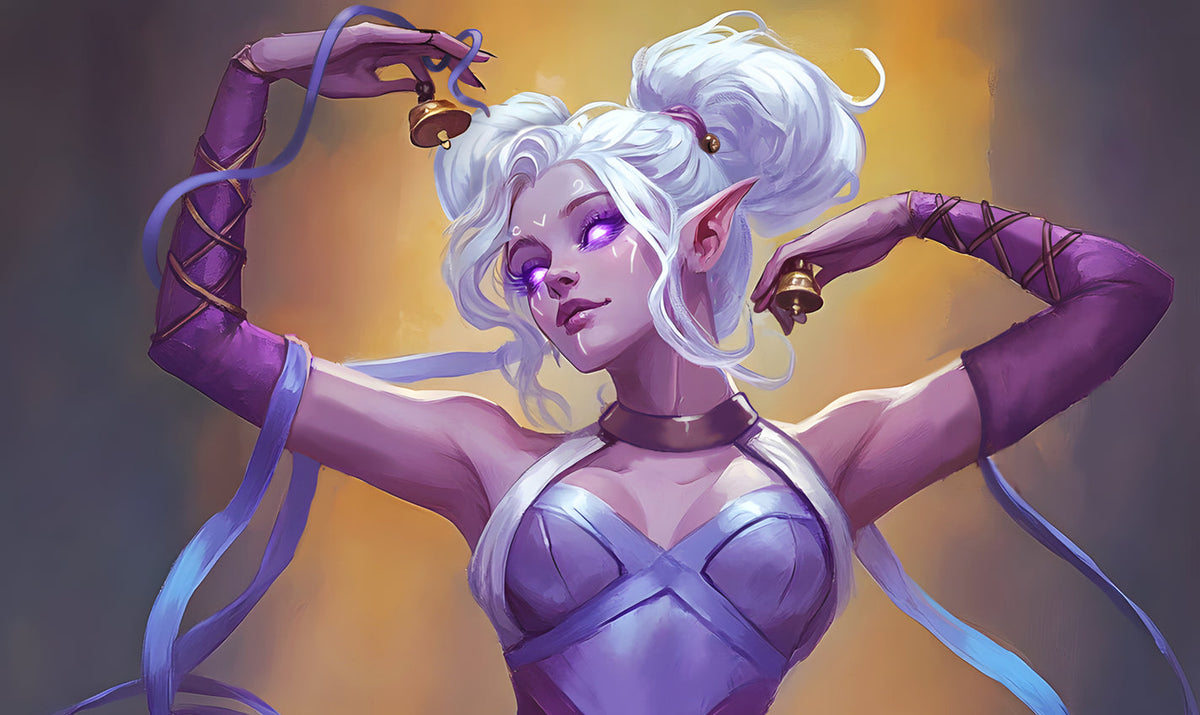
Fantasy Character Art for Your Book: The Complete Commission Guide for Authors
Everything fantasy authors need to know about commissioning character art for novels, marketing, and series projects. Written by an artist.
 Jan
11 min read
Jan
11 min read
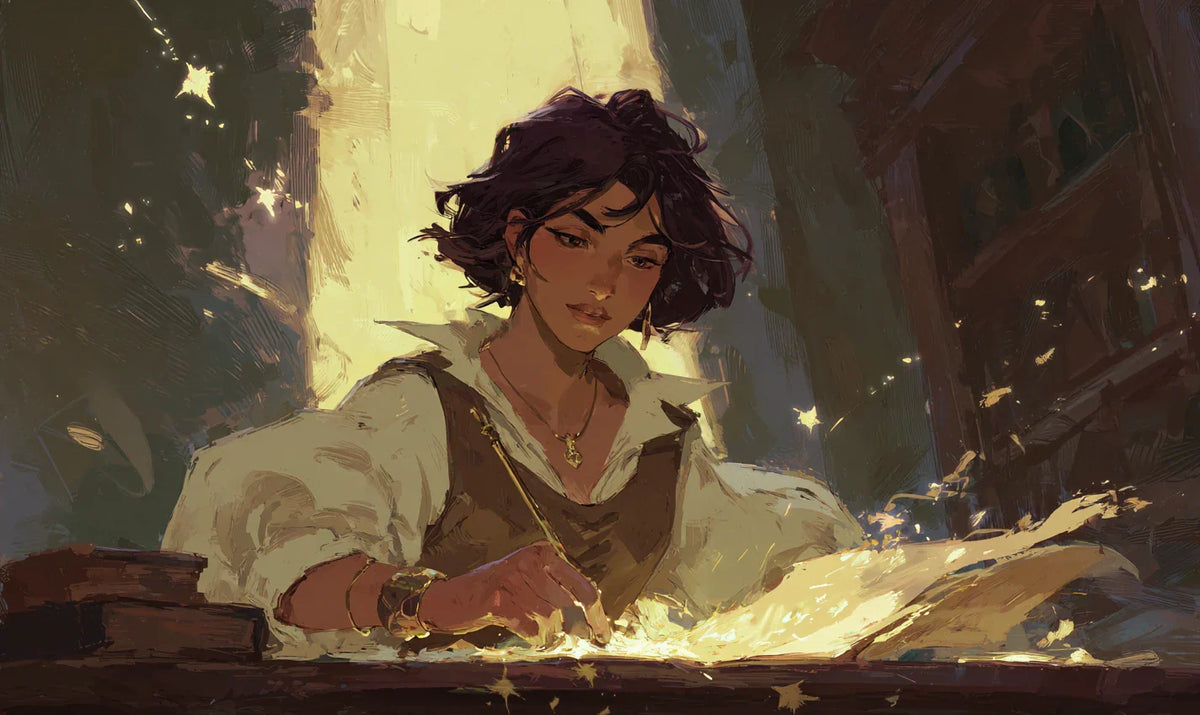
You've spent months (maybe years) building this character. You know the way light catches that scar across their jaw. You know the exact shade of their cloak, the posture they fall into when they're lying, the weariness behind their eyes. You know them. But when it comes time to show a reader, a newsletter subscriber, or a Kickstarter backer what your protagonist actually looks like? You've got nothing. Just a Pinterest board of "close enough" images that aren't quite right. This guide covers everything you need to know about commissioning fantasy character art for your book, from finding an artist who understands literary characters to getting a portrait that genuinely matches your prose.
Why Your Fantasy Characters Need a Face Beyond the Page

Here's something nobody tells aspiring authors. The fantasy publishing world runs on visual content now. BookTok, Instagram Reels, Kickstarter campaigns, author newsletters. Every one of these channels favors images and video over plain text. A character portrait gives you a visual anchor for your entire marketing strategy.
But there's a deeper reason too. Seeing your character drawn by someone else validates something you've quietly wondered about for a long time: is this character as vivid as I think they are? When another human being reads your description and produces an image that makes your breath catch, you get your answer. That feeling alone has pushed more than a few authors past their writer's block and into finishing their manuscript.
Character art also serves as a reference tool. Instead of scrolling back through your own notes trying to remember if Kael's eyes are gray or silver, you glance at the portrait on your second monitor. The writing moves faster. Descriptions get sharper. Consistency across 100,000 words gets easier to maintain.
Where Authors Actually Use Fantasy Character Art

If you think character art is just a personal indulgence, think bigger. Here's how indie and self-published authors are putting commissioned portraits to work.
Book Marketing and Social Media
Character art gives you something specific to introduce in a post: a recognizable face, a story question or a detail readers can discuss. Try it alongside your other book marketing and compare the actual response. A portrait does not guarantee saves, shares or sales.
Kickstarter and Crowdfunding Campaigns
Backers want to see the world they're investing in. Character art on your campaign page communicates that you're serious about your project. It tells potential backers you've invested in your own work, which makes them more willing to invest too.
Series Bibles and Internal Reference
If you're writing a series, visual consistency matters. Character art becomes your reference sheet for maintaining physical descriptions across multiple books. Your editor will thank you.
Author Websites and Newsletters
A character gallery on your author site gives visitors a reason to stay, explore, and subscribe. "Meet the Cast" pages are some of the highest-engaged pages on indie author websites. They turn passive visitors into invested readers before the book is even released.
Convention Materials and Merch
Bookmarks, prints, banners for your convention table. Character art becomes the visual identity of your brand as an author. It gives people something tangible to take home and remember you by.
Why Stock Art and AI Generators Fall Short for Serious Authors

You've probably tried the workarounds already. Grabbing a Pinterest image and telling people "imagine this but with shorter hair and a scar." Running your description through an AI generator and getting something that's 80% right but weirdly off in ways you can't articulate. Using a character creator tool that produces something generic and flat.
These solutions share the same problem. They can't capture narrative weight. Your character isn't just a collection of physical traits. They're shaped by their story. The way they hold themselves tells the reader about their past. The expression in their eyes communicates something about where the plot is going. Stock images and generators don't read your manuscript. They don't know why that pendant matters.
For marketing purposes, there's a practical problem too. Stock art isn't unique to you. Another author might use the same image. AI output can look uncanny or inconsistent, and readers are getting better at spotting it. If you're asking people to take your book seriously, the visuals that represent it should look like someone actually cared about getting the details right.
And then there's the licensing issue. Many stock images and AI platforms have murky terms around commercial use. The last thing you want is a legal gray area attached to art you're using on your book cover, your Kickstarter page, or your paid advertisements.
What to Look for When Commissioning Character Art for Your Book

Not all commission artists are the same. And here's something authors learn the hard way: an artist who's great at drawing game characters isn't automatically great at drawing book characters. The intake process is different. The kind of information you provide is different. The emotional stakes are different. Here's what matters.
Fantasy Expertise (Not Just Any Illustration Style)
You want an artist who's comfortable with the genre. Someone who knows the difference between practical leather armor and decorative fantasy plate without you having to explain it. Look at their portfolio. Do their characters feel like they exist in a lived-in world? Or do they look like they were designed for a mobile game? Semi-realistic styles tend to resonate best with fantasy readers, but the key is finding work that feels grounded in storytelling.
A Revision Policy That Doesn't Punish You
Most artists offer two or three revision rounds. After that, you pay extra. That's fine for simple projects, but character art for a novel is different. You might not be able to pinpoint what's "off" until you've sat with the image for a day. You might realize the expression needs to shift from determined to weary. Look for an artist who offers unlimited revisions or at least a generous policy, because rushing the revision process almost always leads to a portrait you settle for instead of one you love.
Commercial Usage Rights
If the artwork will appear on a cover, advertisement, bookmark or crowdfunding page, list those uses before ordering. Ask which uses the agreement includes and whether any additional fee applies. Keep the written permission with the final files.
Communication Style
This is where most commissions go sideways. You need an artist who asks questions. Not just "what color are their eyes?" but questions that show they're trying to understand the character's personality, their emotional energy, the way they carry themselves. If an artist reads your brief and immediately says "got it" without a single follow-up question, that's a red flag. Your character is complex. The process should reflect that.
Consistency for Series Work
If you're writing a series, you'll likely want art for multiple characters over time. Working with a single artist who gets to know your world is worth its weight in gold. They'll remember your aesthetic, your color palette, the way light works in your setting. This kind of consistency across a cast is nearly impossible to achieve if you're bouncing between different artists for each character.
How to Describe Your Characters to an Artist (When You Think in Stories, Not Art Terms)

This is the part that stops most authors cold. You can write 3,000 words of backstory without breaking a sweat, but condensing your protagonist into a visual brief feels impossible. You freeze up. You worry you'll sound ridiculous. You type something, delete it, type it again.
Here's the thing: you don't need to speak "artist language" to get great results. You need an artist who speaks your language. That said, a few practical tips will help.
Lead with personality, then layer in the physical. Start with who this person is. Are they guarded? Reckless? Quietly furious? A good artist translates personality into visual cues like posture, expression, and the way clothing sits on the body. "She carries herself like someone who's been in charge since she was too young for it" gives an artist more to work with than "brown hair, green eyes, medium build."
Use references loosely. Pull images that capture a vibe, not an exact look. "The intensity of this face, combined with the color palette of this painting, and the armor style from this concept art." Nobody expects you to find one perfect reference image. That's the whole reason you're commissioning custom work.
Name what matters most. If the scar across their left eye is the single most important visual detail, say so. If the fact that they look exhausted matters more than their exact hairstyle, say that too. Artists can't read your mind, but they can prioritize what you tell them matters.
Don't apologize for caring about the details. A good artist wants you to care. They want to know that the amulet around your character's neck was their mother's, because that changes how they draw it. Detail isn't annoying. Detail is what separates a generic portrait from one that makes you tear up when you see it.
Process, Timeline, and What to Budget

A typical character art commission for a book project follows a predictable flow. You submit your description and references, the artist reviews and asks clarifying questions, and then they produce the artwork for your review and revision.
Turnaround times vary widely. Some artists deliver in one to two weeks. Others have queues stretching months out. If you're working toward a launch date or a Kickstarter deadline, ask about timeline before you commit.
For a high-quality, semi-realistic fantasy character portrait from an experienced artist, expect to budget roughly $80 to $250 depending on the level of detail (bust, half-body, or full-body) and whether you need commercial licensing. That might feel like a lot if you've never commissioned art before. But compare it to what you'd spend on professional cover design, developmental editing, or advertising. Character art is a marketing asset you'll use for years across dozens of channels. The cost per use drops fast.
A Quick Note About How I Work

I'm Jan. I run FramedFantasy, and if you've looked around the fantasy art commission world at all, you might know me from the work I do with players who love fantasy worlds. After 500+ portraits, I realized something: the authors who found me kept saying the same thing. "You're the first artist who actually asked about my character's personality." "You didn't make me feel weird for caring this much."
That's because I read every word of the brief. I ask follow-up questions. I built a guided Character Blueprint specifically because "describe your character" shouldn't feel like a test. Authors don't think in hex codes and pose angles. They think in story beats and emotional weight. My process is designed to translate that.
At FramedFantasy, you talk to Jan about your brief and feedback, and she works on each portrait with her team of vetted artists. Refinements stay within the agreed scope. For a book, explain every intended use and agree the licence in writing before paying. Standard portrait ownership does not automatically establish publishing or exclusive rights.
FAQ: Character Art for Fantasy Authors
Do I need character art if I'm not published yet?
You don't need it, but it can change everything about your process. Many authors commission portraits to reignite motivation, solidify their character's visual identity for consistency, or start building a social media presence before launch. There's no rule that says you have to wait until you have a book deal.
Can I use commissioned character art on my book cover?
That depends on the licensing agreement. Some artists include commercial rights in their base price. Others charge a separate fee. Always clarify this before you order. If you plan to use the art commercially (covers, ads, merch, Kickstarter pages), make sure you have written permission for commercial use.
How do I describe my character if I can't draw?
You don't need to draw. You need to describe. Start with personality and mood, then layer in physical details. Pull reference images that capture elements you like (a face shape from one, a color palette from another, an outfit style from a third). A good artist will synthesize all of that into something cohesive. And if you want extra structure, look for artists who offer guided intake forms or character blueprints.
What's the difference between commissioning art for a book vs. other fantasy projects?
Book character commissions tend to emphasize emotional depth, narrative context, and personality over action poses or stat-driven visuals. Authors also need to think about commercial licensing, visual consistency across a series, and how the art will function as a marketing asset. The intake process works best when the artist asks about personality and story, not just physical specs.
What if the art doesn't match what I imagined?
Agree on the revision scope before commissioning. At FramedFantasy, fine-tuning follows the original brief, while major changes can need a separate quote. The first-concept refund eligibility window ends once revisions are requested, so read the terms before choosing your next step.
How much should I budget for character art as an indie author?
For a single high-quality portrait from an experienced fantasy artist, expect $80 to $250 depending on detail level and licensing. If you're planning a full cast across a series, it helps to work with one artist who offers multi-character pricing. Think of it as a marketing investment, not a one-time expense. You'll reuse the art across social media, your website, newsletters, convention materials, and potentially ad campaigns for years.
Your Character Has Waited Long Enough
You've done the hard part. You've written them into existence. Now let someone who speaks your language bring them the rest of the way to life.
See How It Works