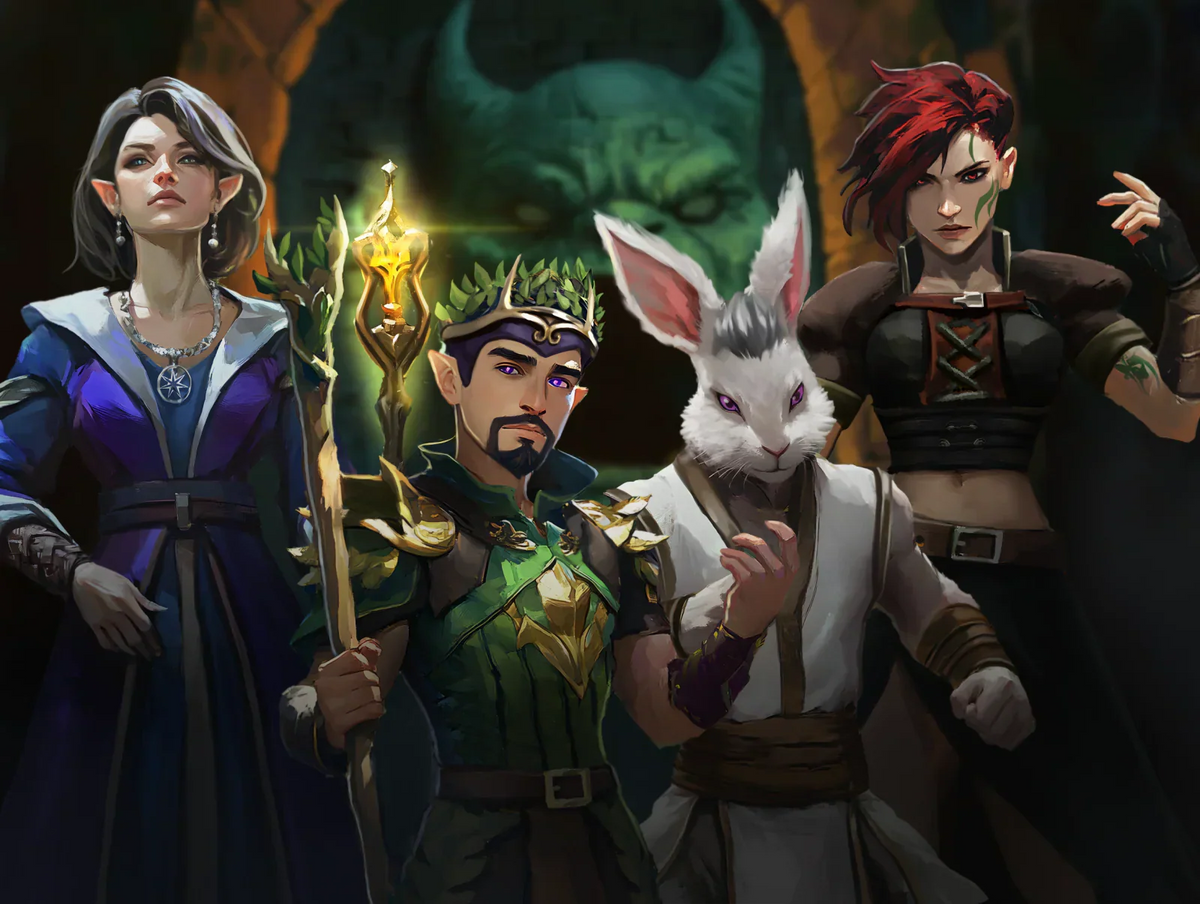
D&D Party Portrait Commissions: The Complete Guide to Getting It Right
A D&D party portrait commission might be the most meaningful piece of fantasy art you'll ever own. It captures something no solo portrait can: the relationships, the inside jokes, the collective memory of adventures shared around a table for months or years.
It's also one of the trickiest commissions to get right.
After completing over 500 character portraits, I've learned that party commissions come with unique challenges. Coordinating multiple people. Managing different expectations. Making sure nobody's character becomes an afterthought. Getting a final piece where everyone feels their hero was treated fairly.
This guide covers everything you need to know before commissioning group art for your D&D party. Whether you're a DM planning a surprise for your players, a player organizing a gift, or a group pooling funds together, you'll learn how to avoid the common pitfalls and end up with something your whole table will treasure.
When to Commission a Party Portrait

Timing matters more than you'd think. The best party portraits capture a specific moment in your campaign's story, not just a random Tuesday when someone had the idea.
Campaign Milestones Worth Commemorating
Campaign completion. The obvious one. Your party defeated the big bad, saved the realm, or spectacularly failed trying. Either way, you survived the journey together. A portrait marks the ending and gives everyone something tangible to hold onto when the campaign lives only in memory.
Major story arcs. Finished a year-long arc? Defeated a recurring villain? Escaped the Underdark after six months of sessions? These moments deserve recognition even if the campaign continues.
Character lineup changes. Someone's character died heroically (or stupidly). A new player joined. The party composition that's been together for the past year is about to shift. Capture the current lineup before it changes.
Real-world milestones. Your group has been playing together for five years. The DM's birthday is coming up. Someone's moving away and sessions will go online. These moments make a party portrait feel like more than just art.
When NOT to Commission

Too early in the campaign. If you're only a few sessions in, characters might change dramatically. Someone might reroll entirely. Wait until the party has some history together.
When the group is unstable. If players are flaky, attendance is inconsistent, or there's drama at the table, a commission amplifies those problems. Sort out the group dynamics first.
When one person wants it and others don't care. A party portrait works best when everyone's invested. If half the group shrugs at the idea, maybe a solo commission makes more sense for now.
Two Approaches to Party Portraits (And Why It Matters)

Not all party commissions are created equal. The approach an artist uses determines whether everyone's character gets proper attention or whether some heroes become background filler.
Approach 1: Single Group Piece
The artist works on everyone simultaneously in one composition. Characters are sketched, colored, and finished together. You get one final image.
The problem: When an artist juggles five characters at once, some inevitably get less attention. The character in front gets detailed armor. The one in back gets a vague silhouette. Revisions become complicated because changing one character affects the whole composition.
This approach is faster and cheaper, but the quality trade-off is real.
Approach 2: Individual-First Process
Each character is created as a standalone portrait first, with the same care and revision process as a solo commission. Once every character is perfected and approved, they're combined into a group composition with a custom background.
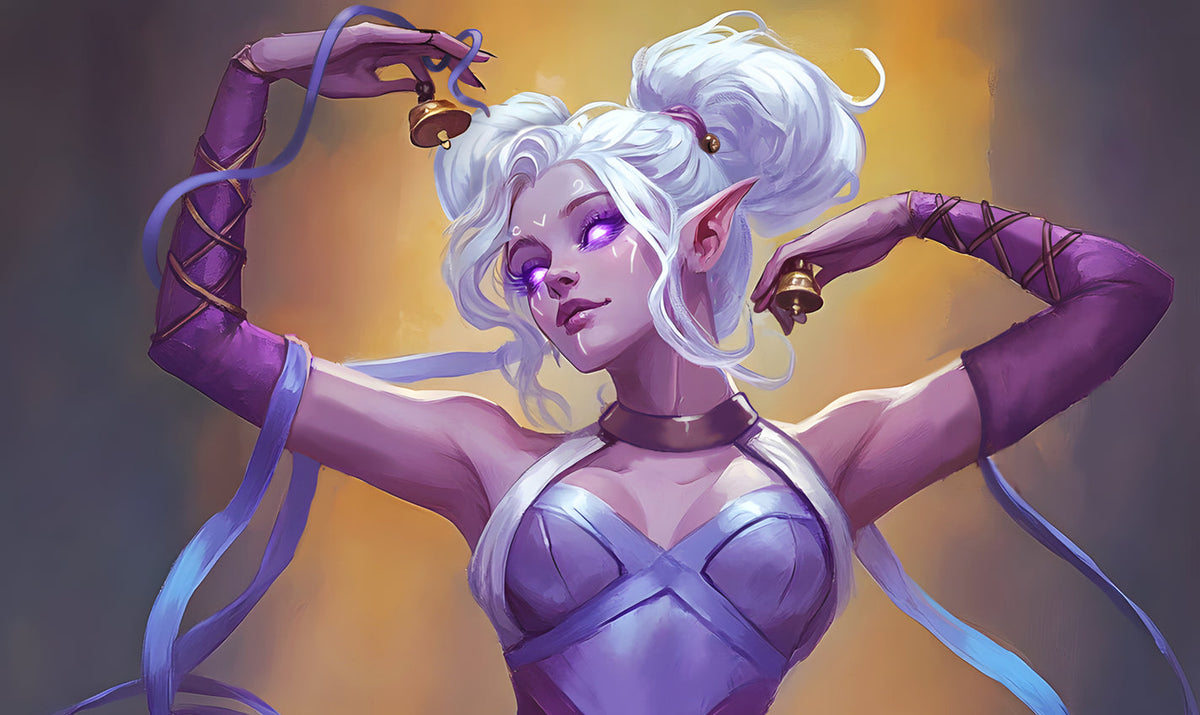
The advantage: Nobody's an afterthought. The rogue in the back gets the same attention as the paladin in front. Each player can request revisions on their character without affecting everyone else. And everyone gets their own individual portrait file in addition to the group piece.
This takes longer and costs more, but the quality shows.
The question to ask any artist: "Do you work on each character individually before combining them, or do you create the group piece all at once?" The answer tells you a lot about what to expect.
How to Coordinate Your Group

This is where most party commissions fall apart before they even start. Coordinating four to six people with different schedules, budgets, and opinions is genuinely hard. Here's how to make it manageable.
Designate a Point Person
One person needs to own the project. They collect references, communicate with the artist, gather feedback, and handle payment logistics. Trying to have the artist manage five separate conversations is a recipe for chaos.
Usually this is either the DM (especially if it's a gift from players) or whoever had the idea in the first place.
Gather Character References Early
Before you even contact an artist, have each player prepare:
- Written description of their character (physical appearance, personality, distinguishing features)
- Reference images for visual inspiration (other art, photos, screenshots)
- Specific requests (pose ideas, expressions, important equipment)
- Any "must have" elements they care deeply about
The point person compiles all of this into one organized document. Artists love clients who show up prepared.
Set a Budget Before You Shop
Figure out what each person is willing to contribute before you start looking at artists. Nothing kills a commission faster than finding the perfect artist only to discover half the group thinks the price is too high.
Be realistic. Quality party portraits aren't cheap. If your budget is tight, you might need to wait until everyone can contribute more, or choose a simpler style.
Decide on the Composition Together
Will everyone be in action poses or standing casually? Should the group be in combat or at a tavern? Is there a specific scene from your campaign you want depicted?
Get this sorted before commissioning. Changing the entire concept mid-project creates headaches for everyone.
Create a Shared Feedback System
When sketches come back, everyone needs a way to review and comment. A shared Google Doc works. So does a dedicated Discord channel. What doesn't work: five separate email chains where the point person tries to consolidate conflicting opinions.
Set a deadline for feedback. "If you don't respond by Friday, we assume you approve" keeps things moving.
What to Look for in an Artist

Finding the right artist for a party portrait requires more scrutiny than a solo commission. You're trusting them with multiple characters, a larger budget, and multiple people's expectations.
Check Their Group Work Specifically
An artist might create stunning individual portraits but struggle with group compositions. Look for examples of their party or group work. Do the characters feel cohesive? Does everyone look like they belong in the same image? Is there consistent quality across all figures, or does it drop off for background characters?
Ask About Their Process
Specifically ask how they handle multi-character commissions. Questions worth asking:
- Do you work on each character individually or create the group piece all at once?
- How do you handle revisions when one character needs changes?
- Will each player receive their own individual portrait file?
- How do you handle the background for group pieces?
- What's your timeline for a party of [X] characters?
Look for Communication Skills
Party commissions require more back-and-forth than solo work. An artist who's slow to respond or unclear in their communication will create problems when you're trying to coordinate multiple people. Pay attention to how responsive they are before you commit.
Understand Their Revision Policy
With more characters comes more potential for revision requests. Make sure you understand what's included. Limited revisions can become expensive fast when each player has feedback.
5 Mistakes That Ruin Party Commissions

1. Not Getting Buy-In From Everyone First
Surprising your party with a commissioned portrait is a lovely gesture. Surprising them with a bill they didn't agree to is not. Even for gifts, make sure whoever's paying has actually committed before you start.
2. Providing Inconsistent Reference Quality
If three players send detailed references and two send "idk, she's a tiefling with red skin," guess whose characters will look generic? The artist can only work with what you give them. Hold everyone to the same standard.
3. Choosing Based on Price Alone
When you're paying for multiple characters, budget pressure is real. But cutting corners on artist quality multiplies across every character. One mediocre solo portrait is disappointing. Five mediocre portraits in one image is devastating.
4. Micromanaging the Composition
Trust the artist's expertise on visual arrangement. "I want Thorin in front because he's the tank" makes sense. "I want Thorin at exactly 43 degrees with his left foot slightly forward" creates a rigid composition that feels stiff and unnatural.
5. Rushing the Process
Quality party portraits take time. If you need it for a specific date (campaign finale, someone's birthday), start months in advance. Rushing artists leads to cut corners, and those corners are most visible in group work where problems multiply.
How Much Does a Party Portrait Cost?
Party portraits are typically priced per character, not as a flat group rate. This makes sense because the artist's workload scales with the number of characters.
General Pricing Expectations

For quality digital work from a professional artist:
- Half-body portraits: $60 to $150 per character
- Full-body portraits: $100 to $250 per character
- Complex backgrounds: Often an additional $50 to $150
For a party of five full-body characters with a custom background, expect to pay somewhere between $500 and $1,300 total, depending on the artist's rates and complexity.
What Affects the Price
- Number of characters
- Complexity of each character (simple human vs. dragonborn in full plate)
- Level of detail in the background
- Artist's experience and demand
- Whether you receive individual portrait files or just the group piece
Splitting the Cost
Most groups split the cost evenly among players. For a $600 commission split five ways, each person pays $120. Some groups have the DM cover the background while players cover their own characters.
For gift commissions, whoever's organizing usually covers the cost or quietly collects contributions in advance.
Ready to Commission Your Party?
At FramedFantasy, I work on each character individually with the same attention as a solo commission. Every player gets their own portrait file, and parties of 3+ receive a free custom background for the final group piece.
See How Our Party Process WorksFrequently Asked Questions
How long does a party portrait take?
Timeline depends on the number of characters and the artist's workload. For quality work where each character receives individual attention, expect 4 to 8 weeks for a party of four to six characters. Factor in additional time for revisions and group feedback coordination. If you need it by a specific date, start the conversation with artists at least 2 to 3 months early.
What if one player's character dies before the portrait is finished?
This happens more often than you'd think. Most artists will accommodate changes if you catch it early in the process. If individual characters are being created first (before the group composition), swapping out one character is usually straightforward. Discuss this possibility with your artist upfront, especially for ongoing campaigns.
Can we add a character later if someone new joins the party?
Technically possible but complicated. Adding a character to an existing composition means the artist has to rework the arrangement and rebalance the image. It's usually better to plan for the current party and commission a fresh group piece if the lineup changes significantly.
Should we include the DM's NPC or DMPC in the portrait?
This depends on your table's relationship with that character. If there's a beloved NPC who's been with the party throughout the campaign, including them can be meaningful. Just remember: more characters means higher cost and longer timeline.
What if the group can't agree on the background or composition?
The point person needs to make a call. You'll never get perfect consensus from five people. Gather input, look for common themes, and make a decision. A good artist can also suggest options that might satisfy different preferences.
Is it worth getting individual portraits too, or just the group piece?
Individual portraits have lasting value beyond the group image. Players can use them for VTT tokens, Discord avatars, social media, or printing. If your artist offers both individual files and the group composition, that's usually the better value even if it costs more upfront.
Final Thoughts

A party portrait captures something that solo commissions can't: the chemistry, relationships, and shared history of a group that's been through adventures together. It's a snapshot of a specific moment in your campaign's story, frozen in art you can return to long after the dice stop rolling.
Getting it right takes planning. Coordinate your group. Set clear expectations. Choose an artist whose process ensures every character gets proper attention. Be patient with the timeline.
When it all comes together, you'll have something your entire table can treasure. Years from now, when you look at that portrait, you'll remember not just the characters but the sessions, the laughs, the moments that made your campaign matter.
That's worth doing right.
Commission Your Party Portrait
Each character crafted individually. Everyone gets their own portrait. Free custom background for parties of 3+. Unlimited revisions until everyone's happy.
Start Your Party Commission