DnD Character Art Commission Guide: Race-Specific Tips That Work

Bringing Your D&D Character to Life: Essential Race-Specific Art Commission Tips That Actually Work

Picture this: you've spent weeks perfecting your Tiefling warlock's backstory, carefully choosing every detail from their curved horns to their mysterious patron. But when you finally commission art of your beloved character, the artist delivers something that looks... well, generic. Wrong horn shape, missing that distinctive tail curl, and somehow they've lost that fierce glint in their eyes that makes your character uniquely yours.

If this scenario sounds familiar, you're not alone. After working with hundreds of D&D players to bring their characters to life through art, I've discovered that the biggest challenge isn't finding talented artists—it's knowing how to communicate the intricate details that make each race special.

What You'll Learn in This Guide

  • Race-specific visual elements artists need to know
  • Common commissioning mistakes that waste your money
  • How to describe unique racial features effectively
  • Professional tips for working with character artists
  • Budget-friendly strategies for better results
  • When to provide references vs. creative freedom

The Foundation: Understanding What Makes Each Race Visually Unique


Before diving into specific commissioning strategies, it's crucial to understand that D&D races aren't just humans with different colored skin or pointy ears. Each race has evolved distinct physical characteristics, cultural aesthetics, and even body language that seasoned artists recognize instantly.

The most successful character commissions happen when both the client and artist understand these foundational differences. This knowledge transforms a generic fantasy portrait into something that feels authentically connected to the rich lore and visual tradition of your chosen race.

Tiefling Art Commissions: Navigating Infernal Complexity


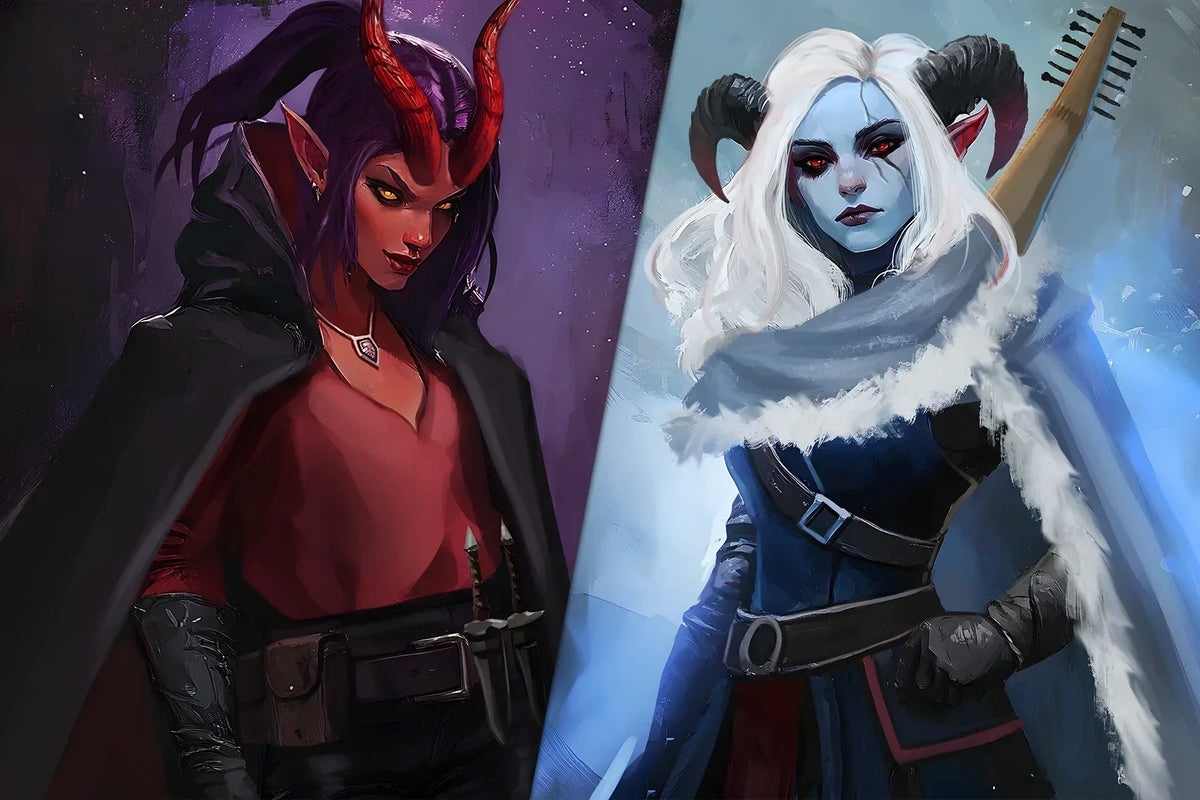
Tieflings present some of the most exciting—and challenging—opportunities in character art. Their infernal heritage creates infinite possibilities for unique visual elements, but this same flexibility can lead to miscommunication if you're not specific about your vision.

Essential Tiefling Details to Specify


Horn variations are crucial:
Don't just say "horns." Specify whether your Tiefling has ram-like curls, gazelle-straight spikes, or twisted spirals. The shape dramatically affects their silhouette and personality impression. Include reference images of the exact style you envision.

Tail characteristics matter more than you think: A thick, lion-like tail suggests different ancestry than a thin, whip-like appendage. Mention how your character typically holds their tail—coiled around their leg when nervous, or confidently swishing behind them.

Skin tone subtleties: While Tieflings can have human skin tones, many feature subtle red, purple, or even blue undertones. Specify not just the base color, but any gradient effects or areas where infernal characteristics are more pronounced.

Pro Tip: When describing Tiefling eyes, remember they're often solid colors without visible pupils or sclera. This creates a striking, otherworldly effect that many artists overlook if not specifically mentioned.

Common Tiefling Commission Pitfalls

The biggest mistake I see with Tiefling commissions is assuming all infernal heritage looks the same. Your Tiefling's specific diabolic ancestry should influence every aspect of their appearance. A character descended from an ice devil might have frost-touched fingertips, while one with pit fiend heritage could have subtle scarring patterns.

Dragonborn Character Art: Capturing Draconic Majesty


Dragonborn commissions require careful attention to both reptilian anatomy and the noble bearing these characters typically possess. Unlike humans with dragon features, true Dragonborn have fundamentally different facial structures and body proportions.

Dragonborn-Specific Artistic Considerations

Scale patterns and texture: Different metallic and chromatic dragon ancestries have distinct scale arrangements. Copper Dragonborn scales have a different pattern than Silver Dragonborn scales. Provide references showing the specific metallic or chromatic coloration you want.

Facial structure details: Dragonborn don't have human faces with dragon features—their entire skull structure is reptilian. The snout length, eye placement, and ear positioning all contribute to their distinctive appearance. Mention whether your character has a more elongated or broader muzzle.

Body proportions: Dragonborn are typically taller and more powerfully built than humans, with broader shoulders and thicker necks to support their draconic heads. These proportions affect how armor and clothing fit and drape.

Artist's Insight: Many clients forget to mention whether their Dragonborn has a tail. While not all Dragonborn in official art have tails, it's a detail that significantly impacts the character's silhouette and should be clearly specified.

Elven Portrait Commissions: Beyond Pointed Ears


Elves might seem straightforward to commission, but their ethereal nature and subrace variations create unique artistic challenges. The key is capturing that otherworldly grace that distinguishes elves from humans with cosmetic ear modifications.

Elven Subrace Distinctions

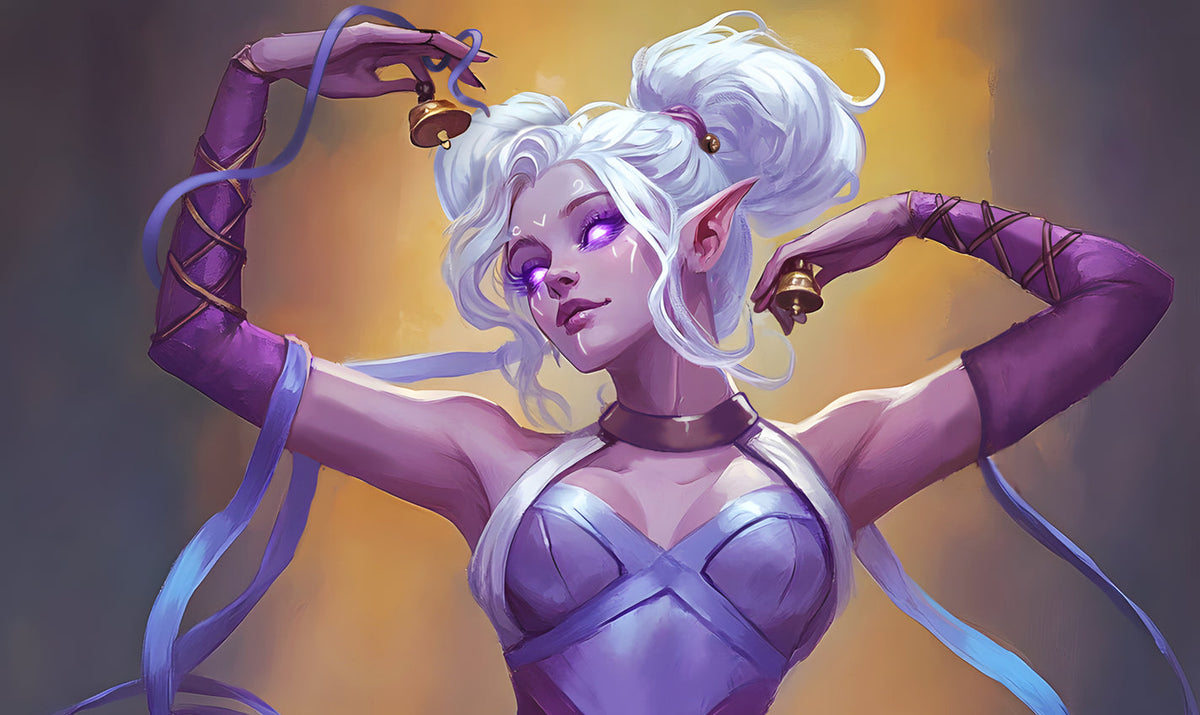
Fantasy portrait of a moonlit lunar elf warlock with flowing white hair, glowing lantern, and dark violet skin, illuminated by a full moon
High Elf elegance:
High Elves typically have more angular features, paler skin tones, and an innate bearing that suggests centuries of magical study. Their clothing and accessories often incorporate arcane symbols or fine metalwork.

Wood Elf earthiness: Wood Elves have slightly more muscular builds, sun-touched skin, and eyes that seem to hold forest wisdom. Their gear tends toward natural materials and earth tones.

Drow complexity: Dark Elf commissions require careful consideration of their society's aesthetic—elegant but dangerous, with distinctive white or silver hair against dark skin. Their expressions often carry hints of both beauty and menace.

Important Note: When commissioning Drow characters, be mindful of avoiding harmful stereotypes. Focus on the unique cultural and magical aspects of their society rather than defaulting to "evil" expressions or poses.

Budget-Smart Commission Strategies


Getting exceptional character art doesn't require breaking the bank, but it does require strategic thinking about where to invest your commission budget for maximum impact.

Maximizing Your Commission Value

Invest in the face and hands: These areas require the most skill and draw the viewer's attention first. If budget constraints force you to choose between a detailed background and expressive facial features, always choose the face.

Consider multiple artists for different elements: Some artists excel at character design while others specialize in backgrounds or effects. For complex pieces, you might commission the character from one artist and the background from another.

Start with black and white sketches: If you're unsure about an artist's style interpretation of your race, request an initial sketch before committing to a full-color piece. This saves money and ensures you're both aligned on the vision.

The Communication Game-Changer: Reference Boards


The single most effective tool for successful character commissions isn't a lengthy written description—it's a well-curated visual reference board that shows rather than tells your vision.

Building Effective Reference Collections

Race-specific anatomy references: Gather multiple images showing how your chosen race typically appears in official D&D art. This gives the artist a baseline understanding of racial characteristics.

Pose and expression inspiration: Include images that capture the mood and personality you want conveyed, even if they're not from D&D sources. A photograph of someone with the right expression can be invaluable.

Color palette examples: Visual color references are more accurate than written descriptions. Include swatches or images that show the exact skin tones, hair colors, and clothing hues you envision.

Pro Tip: Create separate Pinterest boards or folders for "Must Have" elements versus "Nice to Have" inspiration. This helps artists prioritize which reference elements are negotiable versus essential.

Working With Artists: Setting Expectations


The relationship between commissioner and artist significantly impacts your final artwork's quality. Clear communication from the start prevents disappointment and ensures a collaborative process that brings out the best in both parties.

Timeline and Revision Guidelines

Understand the artistic process: Quality character art typically takes 2-6 weeks depending on complexity. Rushing artists often results in compromised quality or additional fees.

Plan revision rounds strategically: Most artists include 1-2 revision rounds. Use your first revision for major adjustments (pose, expression, overall composition) and your second for detail refinements.

Respect artistic interpretation: While you should be specific about essential details, allow artists room for creative interpretation in areas like lighting, minor accessories, or background elements.

Beyond the Basics: Advanced Commission Techniques

Once you've mastered fundamental commissioning skills, these advanced strategies can elevate your character art from good to extraordinary.

Storytelling Through Visual Details

Environmental storytelling: Include subtle background elements that hint at your character's story. A Wizard's tower in the distance, scattered spell components, or weather that reflects their emotional state.

Equipment that tells a story: Well-worn armor suggests a veteran warrior, while pristine robes might indicate a scholarly character. Specify the condition and history of your character's gear.

Body language and micro-expressions: The way a character holds their shoulders, the slight tilt of their head, or the positioning of their hands can communicate volumes about their personality and current emotional state.

Ready to Commission Your Perfect Character?


Crafting a detailed character brief might seem like a bit of work upfront, but it's an investment that pays off tenfold in the final artwork. It's the bridge between your incredible imagination and a tangible piece of art you can treasure forever.

I truly believe "The Ultimate Character Blueprint" can help you achieve that. It's designed to be easy to use, comprehensive, and, most importantly, effective in helping you communicate your vision.

Ready to get started? Download your FREE fillable "Ultimate Character Blueprint" template now and take the first step towards commissioning the character art of your dreams!

Frequently Asked Questions

How much should I expect to pay for quality D&D character art?

Professional character portraits typically range from $50-$500 depending on complexity, artist experience, and included elements like backgrounds. Sketch commissions start around $25-$75, while fully rendered pieces with backgrounds can reach $300-$800. Remember that you're paying for skill, time, and a unique piece of art.

Should I provide a written description or just reference images?

The most effective approach combines both. Use reference images to show visual elements like pose, style, and color schemes, then provide written descriptions for story elements, personality traits, and specific details not visible in your references. This gives artists both visual guidance and narrative context.

How do I find artists who specialize in D&D character art?

Start by browsing platforms like ArtStation, DeviantArt, and Instagram using hashtags like #DnDart, #FantasyCommissions, or #CharacterDesign. Look for artists whose existing work demonstrates familiarity with D&D races and fantasy aesthetics. Many artists also frequent Reddit communities like r/HungryArtists or r/DMAcademy.

What if the final artwork doesn't match my vision?

Prevention is key—clear communication during the initial brief and sketch phase prevents most disappointments. However, if you're unsatisfied, approach the conversation professionally. Reference your original brief and explain specific elements that don't match your vision. Most artists are willing to work toward a solution, especially if the miscommunication was mutual.

Looking to bring your own D&D character to life? I'm Jan, and I specialize in creating custom fantasy character portraits that capture the unique essence of your adventurer. Feel free to reach out if you're ready to transform your character from imagination into a stunning visual reality.


More Blogs
CHARACTER QUEST

Which Archetype Does Your Character Actually Belong To?

A 5-minute D&D quest with real dice. Custom card and full blueprint at the end.

5-minute D&D quest Real dice rolls and a story-driven adventure that maps your character's true nature.
Custom archetype card A shareable visual reveal at the end. Yours to keep, post, or send to your party.
Character blueprint A complete description any artist can use to bring your character to life.
Find Your Archetype

500+ characters named so far

Hall of Heroes

0 characters.
Every one started as an idea at someone's table.

Real players. Real stories. Yours could be next.

See Their Stories