Help Your Party Picture Your D&D Character
If you keep correcting how the party pictures your character, simplify the introduction before adding more description. One recognizable detail can do more work than a paragraph of armor specifications.
 Jan
2 min read
Jan
2 min read

If you keep correcting how the party pictures your character, simplify the introduction before adding more description. One recognizable detail can do more work than a paragraph of armor specifications.
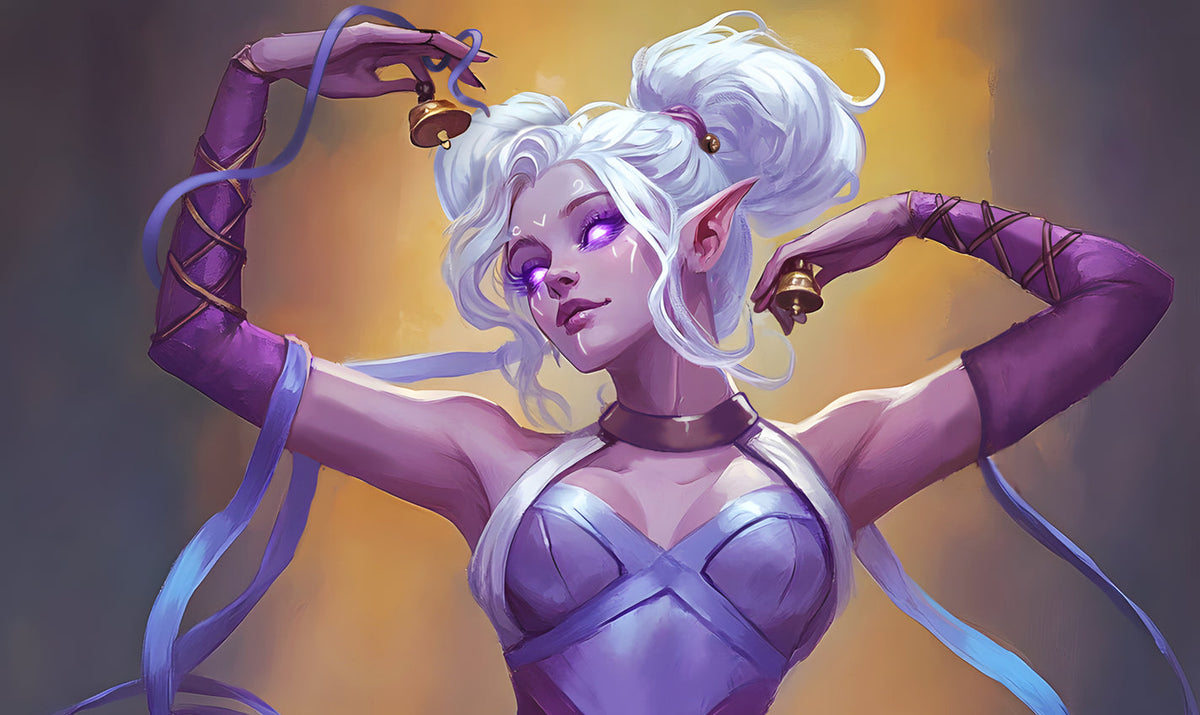
You are not playing D&D badly because you have no custom art. A portrait is a communication tool. It can make a character easier to recognize, and that is a useful enough job on its own.
Find the part people keep missing
Ask what picture the other players actually have. They may remember the class and weapon but miss the character's age, expression or general bearing.

Correct the important part plainly. “He looks like a weathered teacher, not a young soldier” gives the group a different starting point. You do not need to repeat the full description.
Match the detail to the scene
Different moments reveal different parts of a character. At a noble's dinner, the borrowed jacket and awkward posture might matter. During an ambush, the way they protect the party matters more than the jacket.
Describe what someone could notice right now. Let the appearance support the scene rather than interrupt it.
Hard to hold in mind
“He has black hair, blue eyes, silver armor, a red cape, three rings and two swords.”
Easier to picture
“An older knight is polishing a dent in his armor that refuses to come out. His red cape is carefully folded beside him.”
Both are fictional examples. The second gives the character a shape and an action without requiring the table to memorize a shopping list.
Know which problems a picture cannot solve
Art will not create spotlight time, repair a disagreement or make other people care about a story they have not been invited into. If you feel left out, speak with the group about how everyone gets involved.
You can also ask another character a question or connect your goal to the party's next decision. That gives them something to play with.
Use a portrait where it helps
Put the image beside your character's name in the campaign notes or use a clear crop in the virtual tabletop. Keep the larger piece available when someone wants a closer look.

If you commission art, tell the artist which distinction people keep missing. That is a useful brief: the weary teacher, the gentle face beneath heavy armor, the ranger whose confidence is mostly borrowed.
Plan a first commission around the details that matter, once you know what the picture needs to communicate.