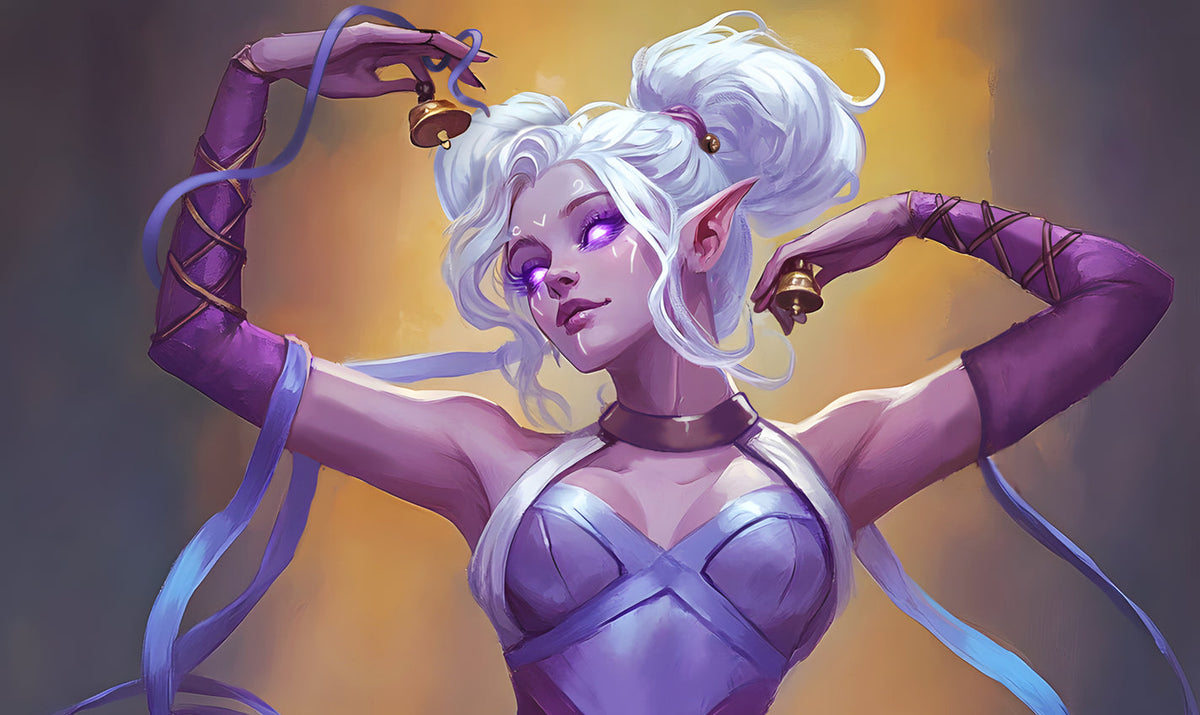
7 Practical Uses for a D&D Character Portrait
A D&D portrait earns its place when you have somewhere to use it. Before commissioning one, think about your campaign chat, character sheet, session introductions and what you want to keep when the campaign ends.
 Jan
3 min read
Jan
3 min read
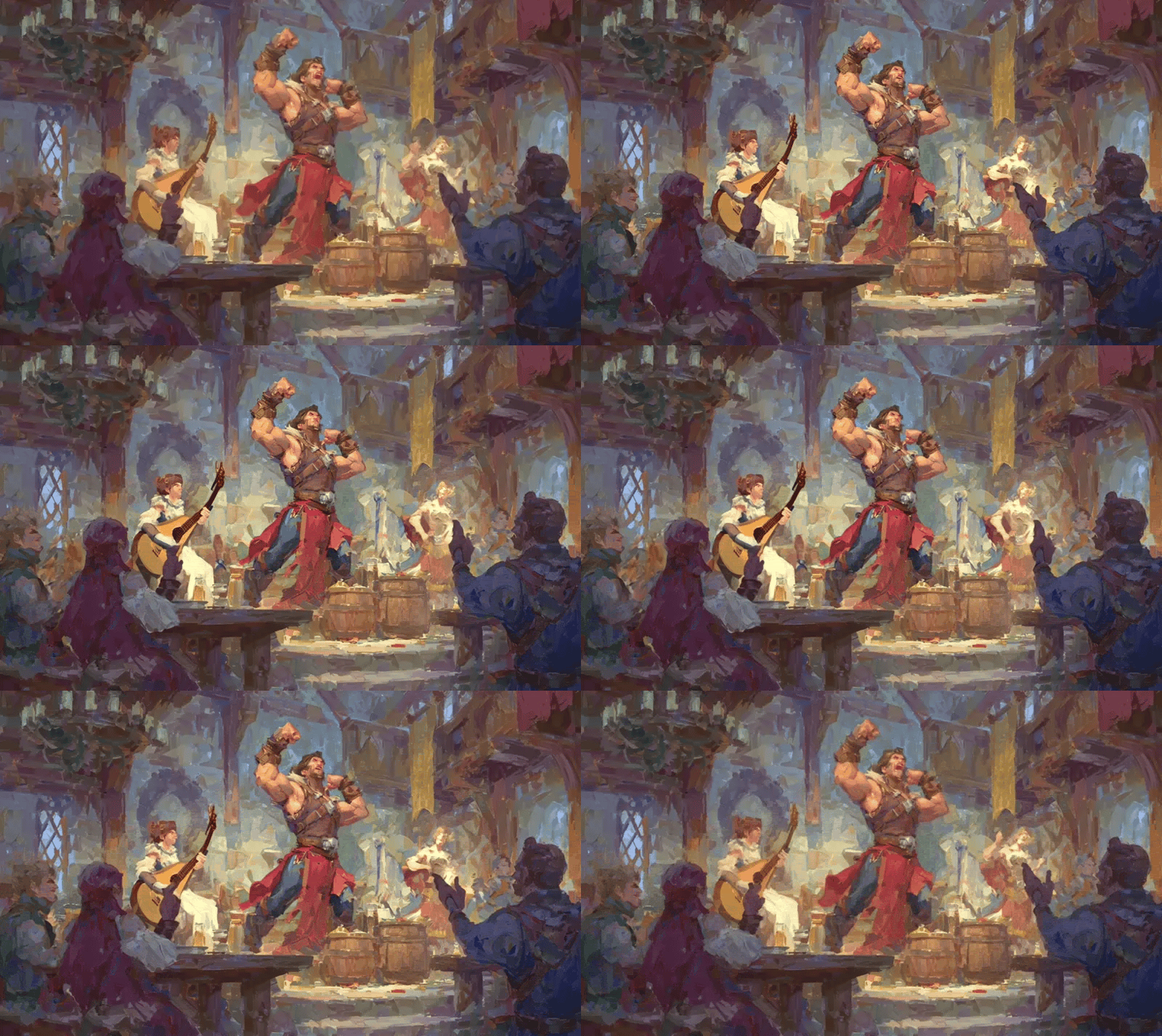
A D&D portrait earns its place when you have somewhere to use it. Before commissioning one, think about your campaign chat, character sheet, session introductions and what you want to keep when the campaign ends.
You do not need paid artwork to play a memorable character. If you want a portrait, though, these are practical reasons to commission one rather than buying it on the vague promise that it will “change everything.”
1. Give the group a consistent picture
One shared image makes it easier to communicate the character's face, clothes and general bearing. You can still describe changes in play. The picture gives everyone the same starting point.
2. Make a token that reads at a glance
A clean face crop can work better on a virtual tabletop than a busy full-body illustration squeezed into a small circle. Tell the artist that a token is one of your intended uses, and check the actual crop before declaring the image finished.
3. Keep the details a borrowed picture misses
The weapon can be the right weapon. A scar can sit on the correct cheek. If the battered notebook matters more than expensive armor, it can have a visible place in the composition.

Write these essentials down before you send references. Otherwise the detail you care about most can look like a minor suggestion.
4. Mark a particular moment in the campaign
A portrait can show the character before a major change, after they earn a title or at the end of a long adventure. Choosing a moment helps you decide on their outfit and expression.

You can also wait until those details settle. Commissioning during character creation is optional.
5. Give your character sheet a face
An image beside the name makes a sheet feel personal. Leave enough room for the information you need in play, and check that the artwork remains clear when printed at the intended size.
6. Give a campaign-specific gift
A portrait of a player's character or a DM's favorite NPC can be thoughtful because it comes from your shared game. A useful gift still needs good references, the recipient's preferences and a realistic delivery plan.
If those details are missing, a gift contribution they can direct may be the better choice.
7. Keep something after the campaign finishes
Your notes record what happened. A portrait records the version of the character you want to remember. It can sit beside the session log or become a print if your file and usage agreement allow it.
Choose the reason that matters to you
You do not need all seven reasons. Pick the use that would make the commission worthwhile, then choose the format around it.
FramedFantasy offers half-body, thigh-up and full-body portraits. Compare what each portrait format shows before paying for space you will not use.