5 ways to keep your DnD character alive after the campaign ends

5 ways to keep your D&D character alive after the campaign ends

Your DM just said "and that's where we'll leave it." The group chat goes quiet. And now your character, the one you spent 200 hours playing across 18 months of weekly sessions, just... exists in your head. With nowhere to go.

I've talked to hundreds of players who've been through this. That weird grief when a campaign wraps up. You can't explain it to people who don't play. "It's just a game" doesn't cut it when you spent more time with Kael the fire genasi than you did with some of your actual friends last year.

But your character doesn't have to disappear just because the campaign did. Here are five things I've seen players do to keep their characters alive long after the final session.

1. Write their epilogue

Most campaigns don't get a proper ending. They fizzle. The DM moves. Someone has a kid. Sessions get canceled until everyone quietly agrees it's over without ever actually saying it.

Even if your campaign DID get a satisfying finale, your character's story probably didn't get a real sendoff. The DM might've asked "so what does everyone do after?" and you mumbled something about retiring to a farm because you were still processing the boss fight.

Go back and write it down. Not a novel. Just a page or two about what happened next. Where did they go? Did they settle down or keep wandering? Did they open that tavern they always joked about? Did they ever find their sister?

One of my favorite things I've seen is a player who wrote a short letter from their character to the rest of the party, set five years after the campaign ended. It was maybe 300 words. Their whole D&D group cried reading it. That letter did more for closure than the actual final session did.

You don't need to be a good writer. You just need to give your character an ending that feels right to you.

2. Get them a portrait

I'm biased here, obviously. I paint D&D characters for a living. But hear me out.

A HeroForge model or a screenshot from a character creator is fine while the campaign is running. It does the job. But once the game is over, those things feel temporary. They're tools, not keepsakes.

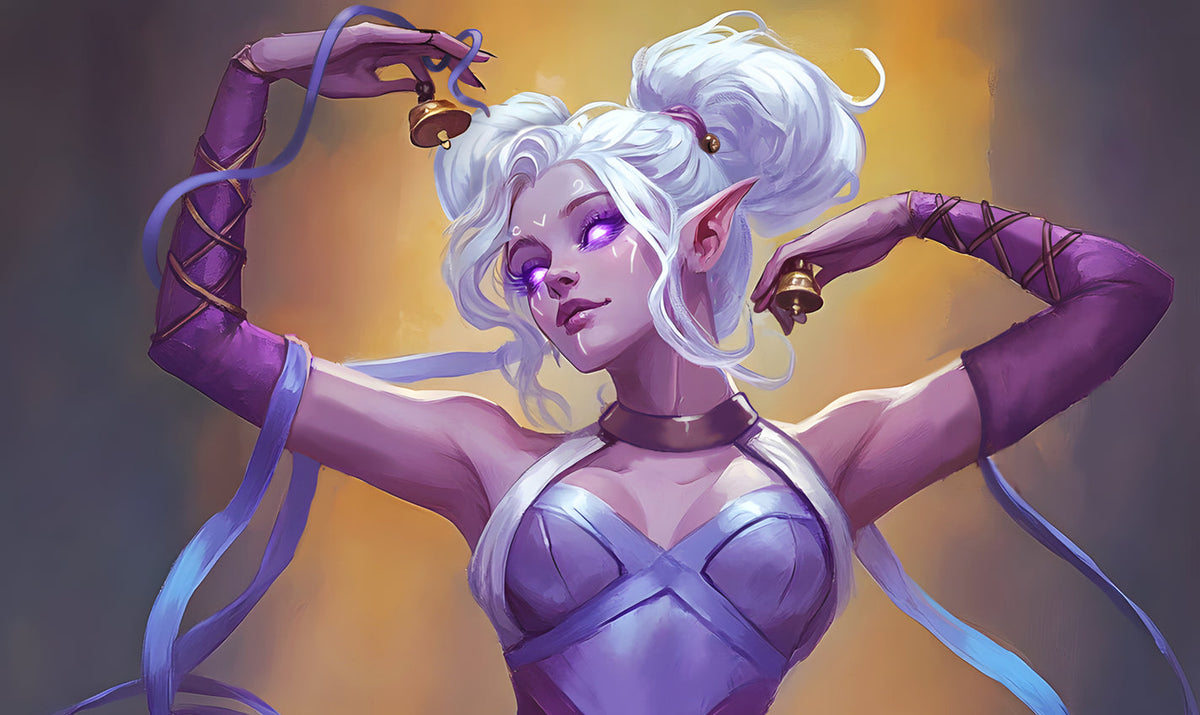
A real portrait turns your character into something you can hang on a wall or set as your phone background for the next three years. It gives them a face that matches how they looked in YOUR head, not how some character creator approximated them with limited hairstyle options.

I've drawn over 500 characters at this point, and I'd say about a third of my clients come to me after their campaign has already ended. They sit with that post-campaign sadness for a few weeks, and then they decide they want something permanent. Something that proves their character existed and mattered.

If you're thinking about commissioning art, do it while the details are fresh. You'd be surprised how quickly you forget which shoulder the pauldron was on or exactly what shade of blue their eyes were. The longer you wait, the hazier the picture gets.

3. Put their story somewhere people can actually find it

Here's something nobody talks about. Most D&D characters are invisible to everyone except the 4 to 6 people at the table. You spent a year building this person, and only a handful of humans on earth even know they exist.

That bothered me enough that I built something about it.

The Hall of Heroes is a free character gallery where players can submit their characters with a portrait and backstory. Your character gets a permanent page with their name, race, class, campaign, and story. Other players can browse it, read backstories, and heart characters they connect with.

It's not a social media profile that gets buried in an algorithm. It's a dedicated page for your character that exists at a permanent URL you can share with anyone. Drop the link in your D&D group chat. Post it on Reddit. Send it to that friend who always asked about your campaign but never really understood what your character was about. Now they can see for themselves.

There's also a monthly giveaway where one submitted character gets a free portrait. So there's that.

But the real reason I built it is simpler than a giveaway. D&D characters deserve to be seen by more than just the people who were at the table. If you spent a year playing someone, their story is worth preserving somewhere that lasts.

4. Turn them into something you can share

Your character is content. Seriously. The D&D community eats this stuff up.

Write a short post about your character's defining moment and put it on Reddit. The r/DnD and r/DnDart communities love character stories, especially when they come with real emotion behind them. I've seen posts about retired characters hit thousands of upvotes because the story was genuine and specific.

If you draw (even badly), sketch them. Bad art with real love behind it gets more engagement than you'd think. If you write, turn their arc into a short story. If you make playlists, build one that captures their vibe and share it.

One player I worked with turned their character's entire campaign arc into a series of in-character journal entries. Posted one a week on Tumblr. Built a small following of people who had never played in that campaign but cared deeply about what happened to their tiefling warlock. That's wild. And it's possible because D&D characters are genuinely interesting to people beyond your table.

The character is already written. The stories already happened. You just need to package them in a way other people can experience.

5. Bring them back (but do it right)

This is the one most players think of first. "I'll just play them again in the next campaign." And yeah, you can. But be careful with it.

Playing the exact same character in a brand new campaign with a different group often feels off. They've already had their arc. Their story was shaped by the specific people and events of that campaign. Dropping them into a new one can feel like watching a sequel that didn't need to exist.

What works better is bringing them back as a cameo. Talk to your next DM about having your old character appear as an NPC. Maybe the new party walks into a tavern and there's a retired fire genasi sitting in the corner with a scar over one eye and a story for anyone who buys him a drink. Your old character becomes part of the world's lore without needing to be the protagonist again.

Another option: play a character who's connected to your old one. A former apprentice. A rival. Someone who heard the stories and was inspired (or horrified) by what your previous character did. That way your old character's legacy lives on through a new story without you trying to recreate something that already had its moment.

The feeling is normal

If you're reading this because a campaign just ended and you feel kind of empty about it, I want you to know that's completely normal. It happens to almost everyone. You're not being dramatic.

You spent real time and real emotion on someone who only existed in a shared story between friends. And now that story is over. Of course that hits different.

The five things on this list aren't about holding on forever. They're about giving your character a proper goodbye instead of just letting them fade. Write the epilogue. Get the portrait. Put their story somewhere it can be found. Share them with people who'll appreciate them. And if the right moment comes, let them make one more appearance.

Your character lived through a lot. They deserve more than just a forgotten character sheet in a Google Drive folder.

Frequently asked questions

Is it normal to feel sad when a D&D campaign ends?

Completely. Players pour real emotion into their characters over months or years. Psychologists call it "emotional bleed," where the feelings you experience through your character carry over into real life. Losing access to that character when the campaign ends can feel like a genuine loss. It doesn't matter that it's "just a game." The emotions were real.

Can I use the same character in a different campaign?

You can, but think about whether you should. If the character had a complete arc in the first campaign, forcing them into a new one can feel hollow. A better approach is to bring them in as an NPC cameo, or play a new character who's connected to your old one through the world's story.

How do I commission a portrait of a character from a finished campaign?

Gather whatever references you have (screenshots, HeroForge models, Pinterest boards, even rough sketches) and write down the details while you still remember them. Eye color, scars, armor, weapons, that one specific thing about their look that made them THEM. If you need help organizing all of that, I made a free Character Blueprint that walks you through it step by step. Most players find it way easier than staring at a blank "describe your character" box.

Where can I share my D&D character's story online?

Reddit (r/DnD, r/DnDart, r/characterdrawing) is great for one-off posts. If you want a permanent page for your character with their portrait and backstory, the Hall of Heroes is a free character gallery built for exactly that. Your character gets their own URL you can share anywhere.


More Blogs
CHARACTER QUEST

Which Archetype Does Your Character Actually Belong To?

A 5-minute D&D quest with real dice. Custom card and full blueprint at the end.

5-minute D&D quest Real dice rolls and a story-driven adventure that maps your character's true nature.
Custom archetype card A shareable visual reveal at the end. Yours to keep, post, or send to your party.
Character blueprint A complete description any artist can use to bring your character to life.
Find Your Archetype

500+ characters named so far

Hall of Heroes

0 heroes.
Every one has a story you haven't heard.

Summoned from hundreds of tables.
Gathered into one Hall.

Enter the Hall