Choose a D&D Portrait Expression You Can Explain to Your Artist
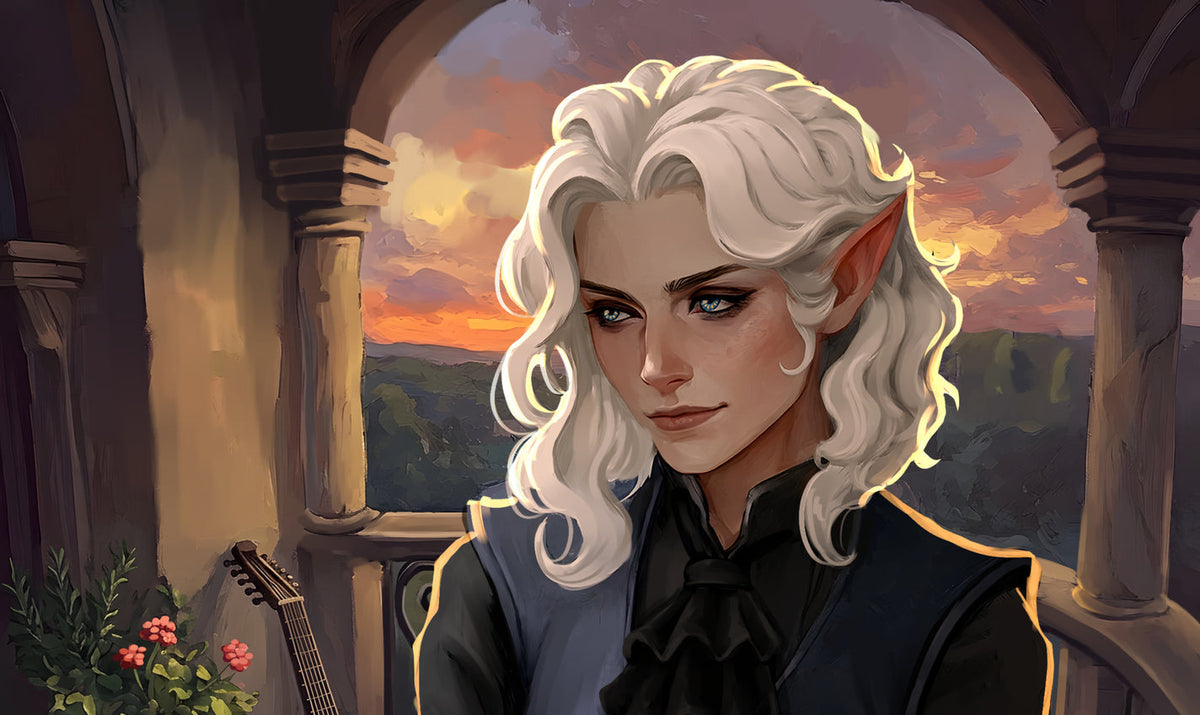
“Serious” leaves a lot undecided. A specific reaction gives your artist a clearer idea of the face you want to recognize in the finished portrait.
 Jan
5 min read
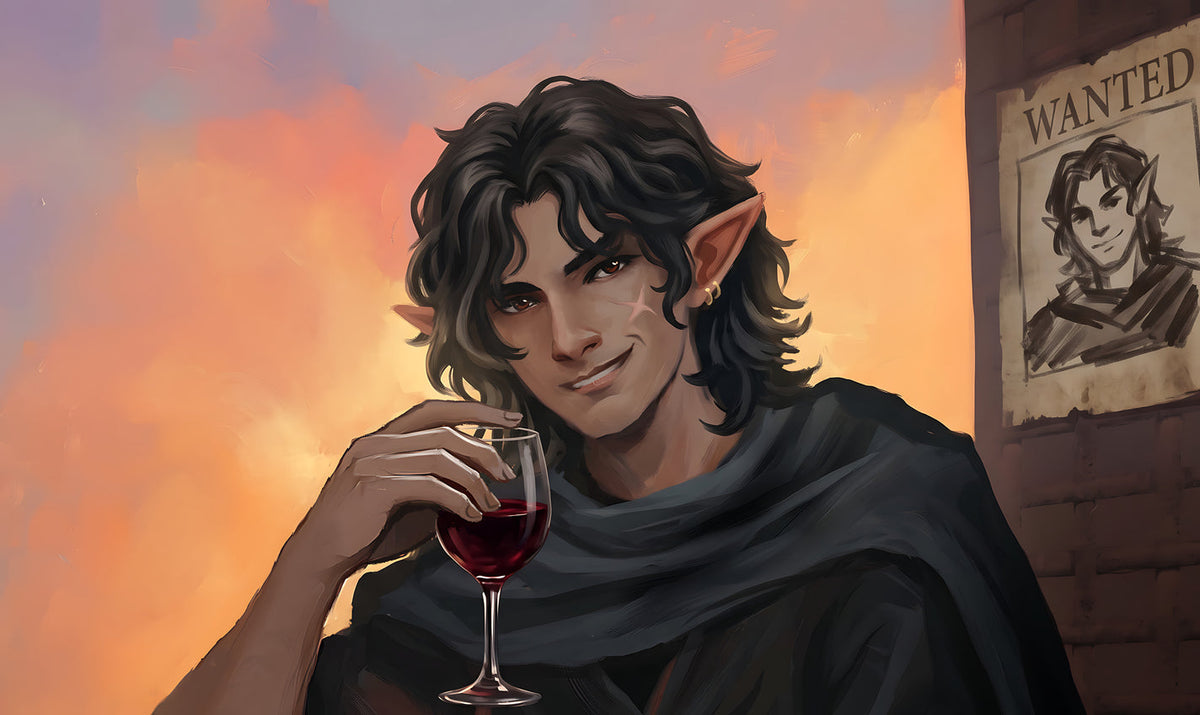
“Serious” can mean focused, tired, unimpressed, or trying very hard to keep a straight face. Send that word on its own and your artist still has several decisions to make.
For a D&D character portrait, start with what your character has just noticed. Explain who they are looking at and how much of their reaction you want to show. Then add a few visible clues, such as a relaxed mouth or a slight lift of one brow.
Give the face a moment to react to
Your character does not have to spend the whole campaign wearing the face you choose for the portrait. Pick a moment that captures something you want to remember about them.
For a hypothetical cautious ranger, relief at a familiar voice gives the artist one reaction to stage. Put that ranger outside the firelight, listening for footsteps, and the brief calls for watchfulness. Each expression belongs to a situation, even if the situation stays outside the picture.
That small bit of context is useful to an artist. It explains why a face should be open, held back, or tense. You can keep the backstory elsewhere in the brief and give the expression one short scene.
Separate the feeling from how much it shows
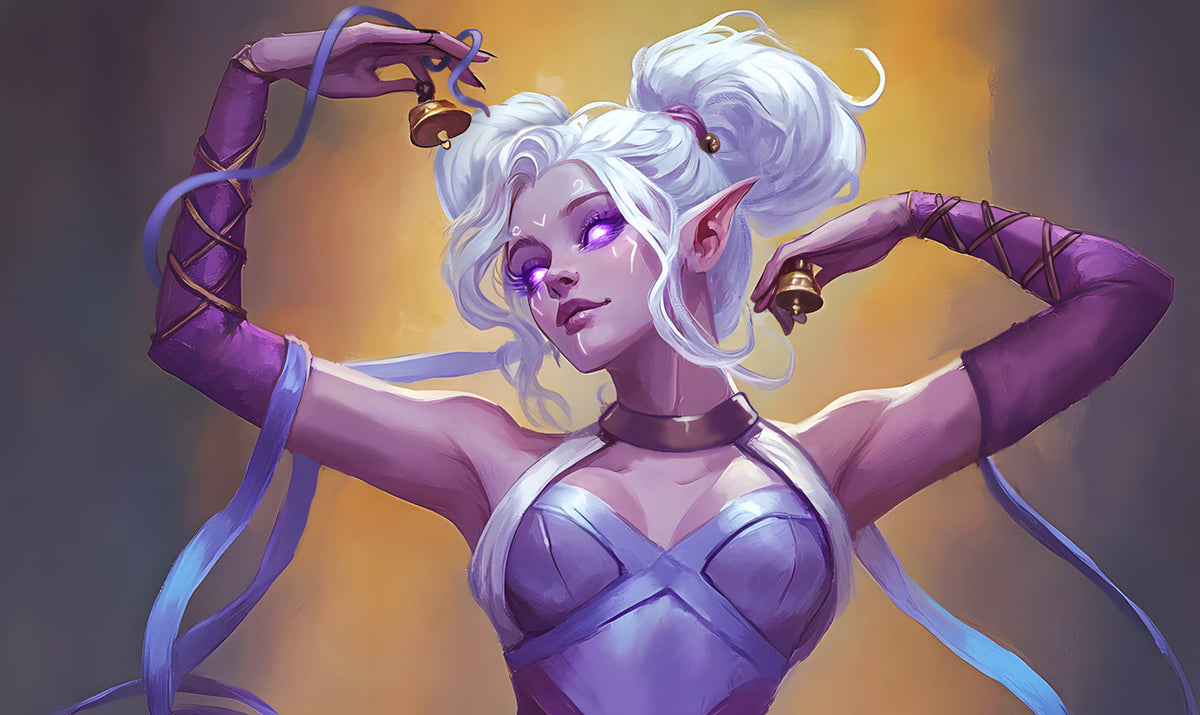
Being delighted does not require an enormous grin. A character can be furious while trying to remain polite. Decide whether you want the feeling displayed openly or held in check.
This is especially useful for reserved characters. If you write only “subtle,” the artist still needs to know what the subtle reaction is. Add what caused it and which part of the face should carry it.
An open reaction
Describe a moment when the character allows someone to see how they feel. The expression may involve the whole face. Tell the artist whether the viewer is being welcomed, challenged, or included in the joke.
A reaction held back
Explain what the character is concealing. A small change around the eyes or mouth may be enough for the portrait you want. Ask for restraint without erasing the feeling entirely.
“Almost smiling” also needs a reason. Otherwise the poor character can look as though they have remembered a joke but forgotten which one. A reason gives the artist something firmer to work with.


Give the artist visible clues
You do not need to know facial anatomy to explain your preference. Describe the parts you can see. A brief can say that the mouth is relaxed, the gaze stays on the viewer, or one eyebrow is slightly raised.
Choose a few clues that work together. A request for wide eyes, a relaxed smile and a clenched jaw may need discussion because it can pull the face in several directions. If the mixed reaction is intentional, explain what is happening.
Art Rocket’s guide to expressive faces discusses how an expression involves several facial features. The useful lesson for a portrait brief is to describe the whole reaction rather than asking the artist to change only the mouth.
- Eyes and attention. Say where the character is looking and whether the gaze should feel direct or distracted.
- Mouth. Explain whether it is relaxed, smiling, pressed closed, or caught in the middle of speaking.
- Brow and head angle. Add these when they matter to the reaction. Give the artist room to make the features work together.
These are choices for a picture. How a face comes across depends on its design and context, so a particular eyebrow shape will not tell the whole story by itself.
Keep identity and expression in separate parts of the brief
Your character’s facial structure, scars and other lasting features belong in the appearance section. The expression describes what those features are doing in this moment. Keeping those sections separate makes the brief easier to follow.
For a fantasy face, explain any physical limits that matter. Tusks may affect how you picture a smile. A mask may hide the mouth completely, leaving the eyes and posture to carry the reaction.
The character appearance guide helps with the features you want preserved. Give the artist the identity first, then explain the reaction.
Check how the face relates to the viewer
A smile directed at a close friend and a smile offered to a rival have different context. You can explain that relationship even when the other person is absent from the image.
If you want the portrait to introduce your character, decide how they would look at someone meeting them for the first time. If you want a private moment, their attention can fall beyond the viewer. That choice helps the expression feel attached to something.

A sample expression brief you can adapt
You can replace the scene without keeping the warlock. A healer listening to good news, a fighter waiting for an apology, or a bard spotting a familiar face each gives the artist a different reaction to stage.
Choose one of those moments for the finished portrait. A long list of expressions can become an unclear request for one face to do everything at once. If you want separate images, discuss that scope before the work starts.
Review the feeling at the size you will use
Look at the face at a comfortable reading size before zooming in. Check whether the reaction you described still comes across. A detail that depends on close inspection may be a poor fit for a small avatar or a table display.
If something needs changing, point to the visible difference and connect it to your brief. “The grin is broader than I meant. I want the restrained smile described above” gives your artist a usable direction. Follow the review stages and scope you agreed together.
When you are ready, put the expression beside the pose in your character commission brief. The goal is a face you recognize as your character, with a reaction you can explain.